How to Create a Supportive Environment for Art Therapy
Creating a supportive environment for art therapy is crucial for fostering creativity and emotional expression. This article explores key principles and practical steps to establish a nurturing space that enhances the therapeutic process.
Understanding the Importance of Environment
An effective art therapy environment can significantly influence the outcomes of therapy sessions. Research indicates that a well-structured space can lead to increased creativity and emotional safety, which are essential for effective therapy. According to studies, individuals often feel more relaxed in environments that are aesthetically pleasing and thoughtfully organized.

"Creating a safe and welcoming space enhances the therapeutic experience and encourages self-expression."
Key Elements of a Supportive Art Therapy Space
- Comfortable Seating: Providing comfortable chairs or cushions helps clients feel at ease, allowing them to focus on their creative process.
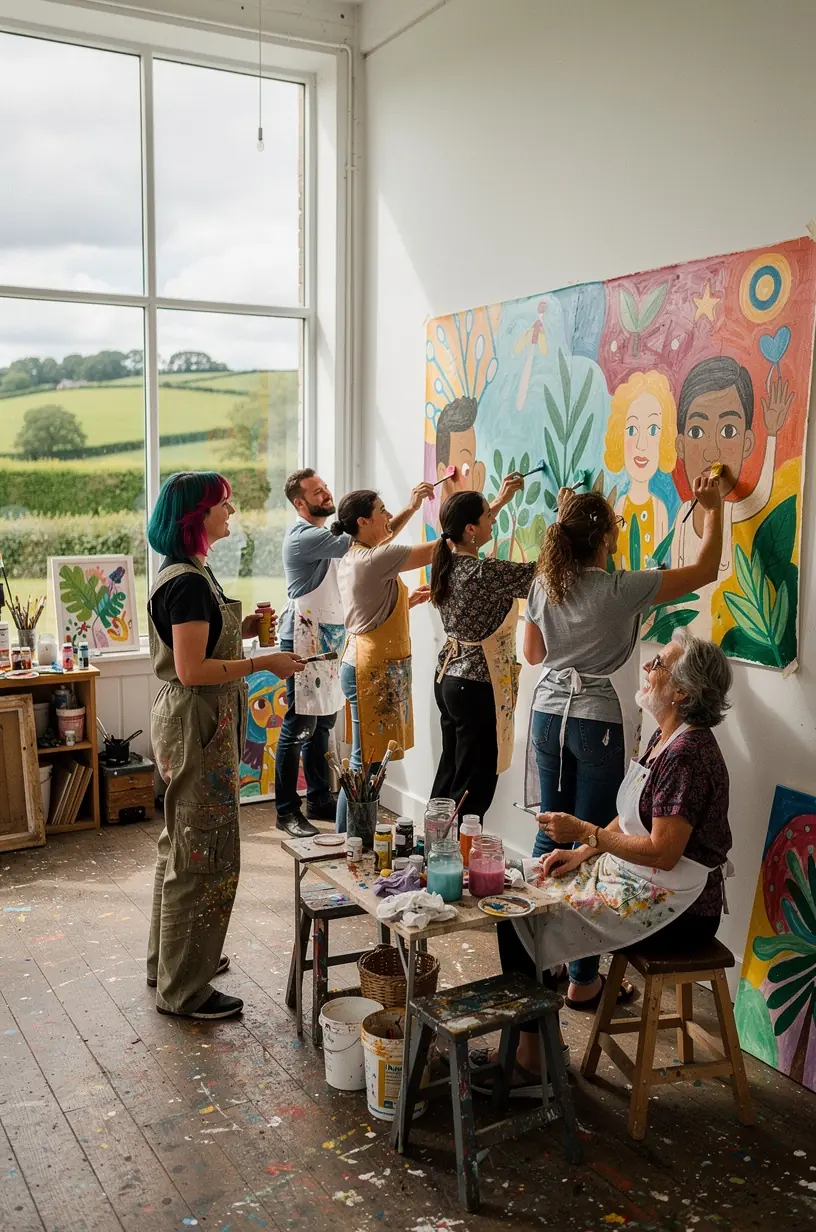
- Natural Light: Incorporating natural light can improve mood and creativity. Experts recommend using large windows or soft lighting to create a warm atmosphere.
- Art Supplies Accessibility: Ensuring that a variety of art materials are readily available promotes spontaneity and exploration, which are vital in art therapy.
Creating a Non-Judgmental Atmosphere
One of the foundational principles of art therapy is fostering a non-judgmental environment. Clients should feel free to express themselves without fear of criticism. Research suggests that when individuals know their work will not be evaluated, they are more likely to engage deeply in the creative process.
Strategies to Promote a Safe Space
- Establish Ground Rules: At the beginning of sessions, it’s beneficial to establish clear guidelines that prioritize respect and confidentiality.
- Encourage Open Communication: Regular check-ins and encouraging feedback can help clients feel heard and valued.
- Model Acceptance: Therapists should demonstrate acceptance of all forms of expression, reinforcing the idea that there are no "right" or "wrong" ways to create art.
Utilizing Sensory Elements
Incorporating sensory elements into the art therapy space can enhance the overall experience. According to experts, using soothing colors, soft music, or even aromatherapy can help clients feel more grounded and open to exploration. For instance, using soft pastel colors in the room can create a calming effect, while gentle background music may help reduce anxiety.
Conclusion
Creating a supportive environment for art therapy involves careful consideration of various elements, including comfort, aesthetics, and emotional safety. By focusing on these factors, therapists can foster a space that encourages creativity and self-expression. While establishing such an environment may require time and effort, the potential benefits in terms of client engagement and therapeutic outcomes can be substantial.
Discover More