How Group Art Sessions Foster Community Connections
Group art sessions have become increasingly popular as a means to not only express creativity but also to foster community connections. This article explores how these structured offline programs can build relationships and enhance social bonds among participants in the UK.
Understanding the Basics
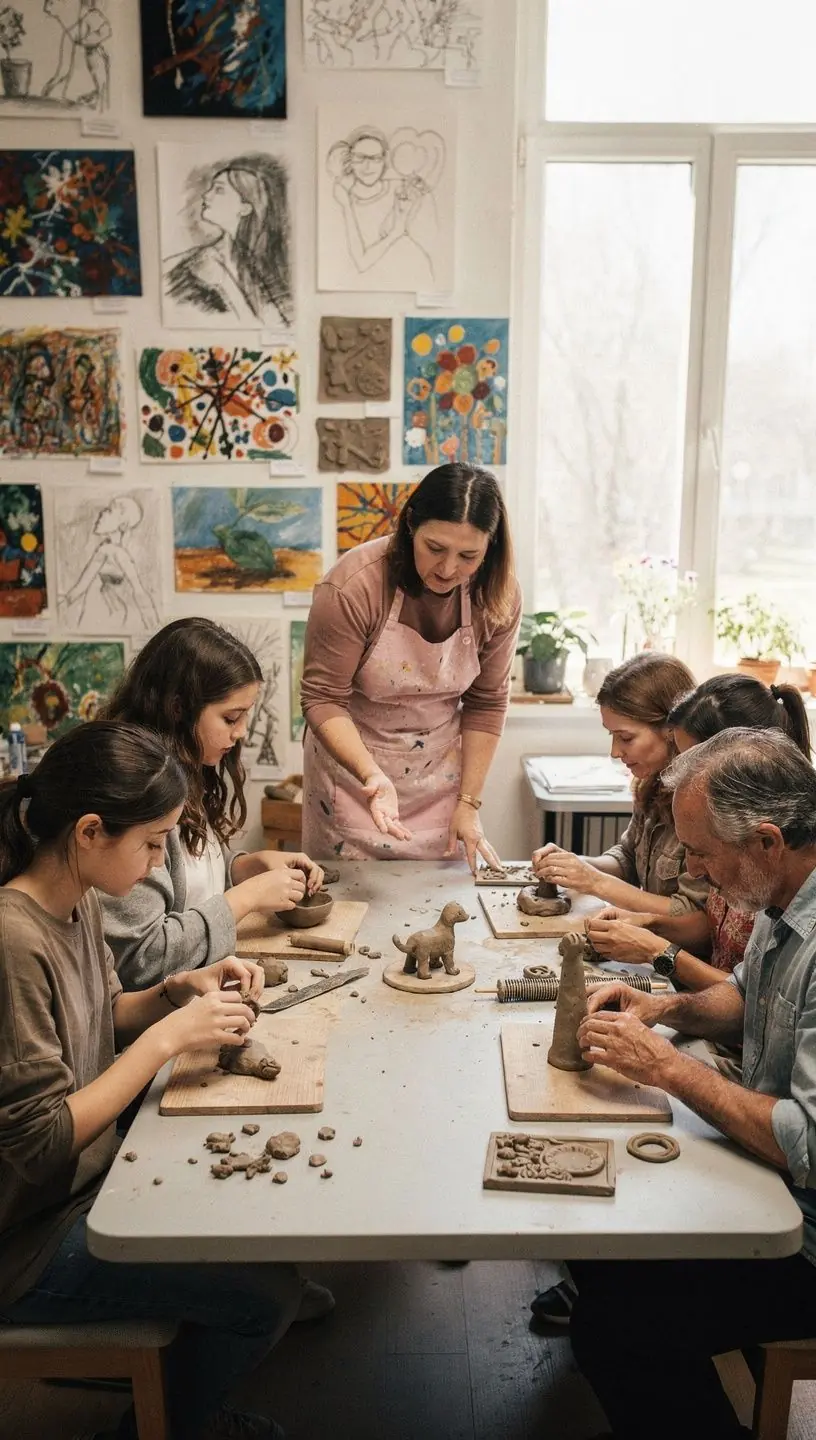
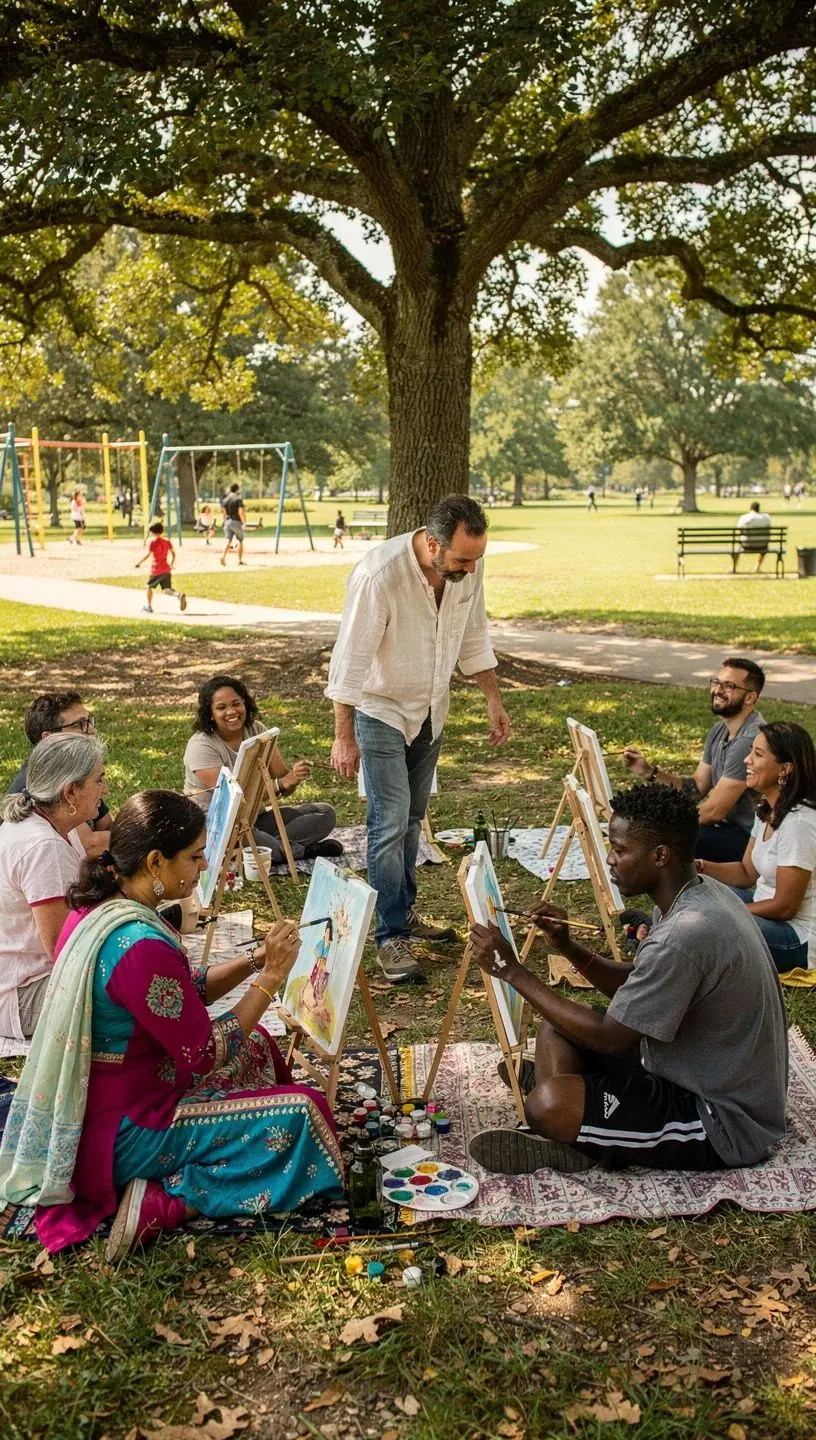
Group art sessions provide a unique platform for individuals to collaborate and share their artistic experiences. According to research, engaging in creative activities in a group setting can significantly enhance social interactions and reduce feelings of isolation. Many users report that working alongside others helps to cultivate friendships and strengthen community ties.
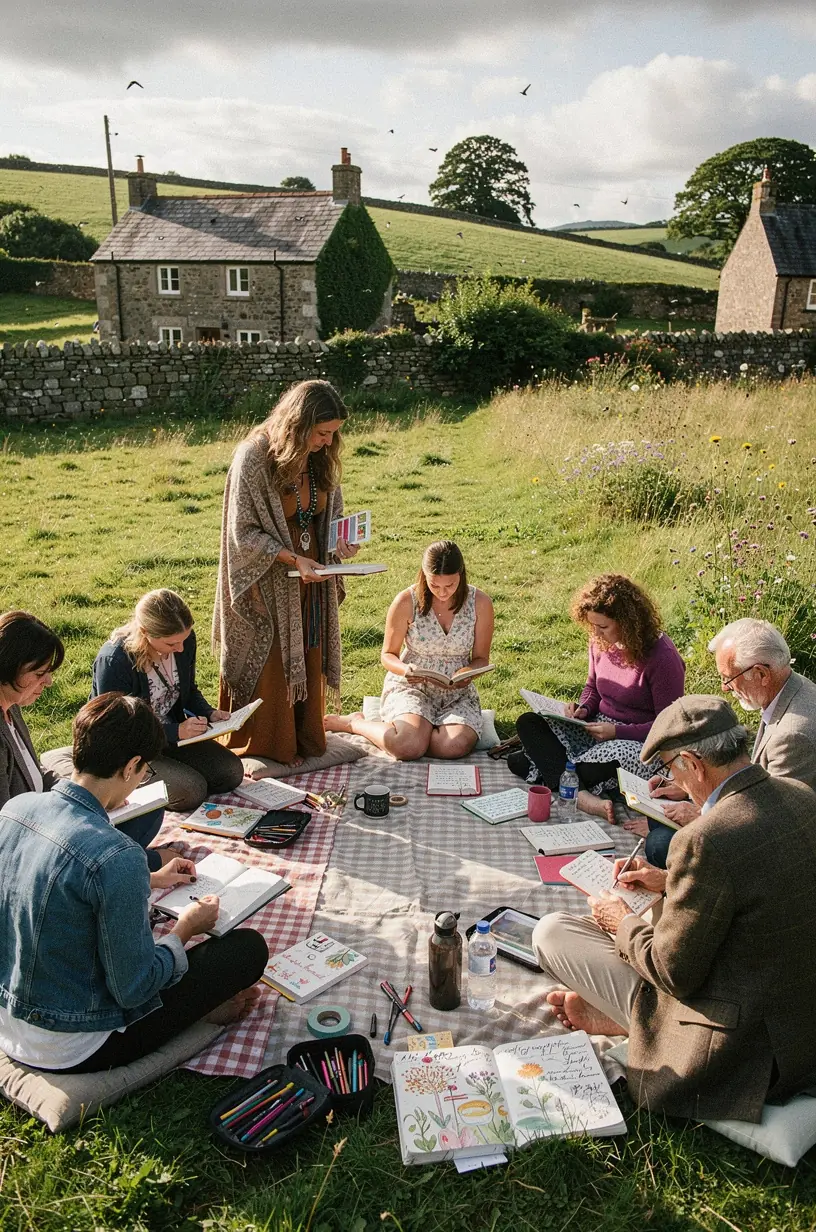
"Art has the power to bring people together in ways that words cannot." - Creative Therapy Expert
How Group Art Sessions Work
The principle behind group art sessions is rooted in the therapeutic benefits of creativity. Experts recommend that these sessions be structured to include guided activities that encourage participation and collaboration. Typical activities may include:
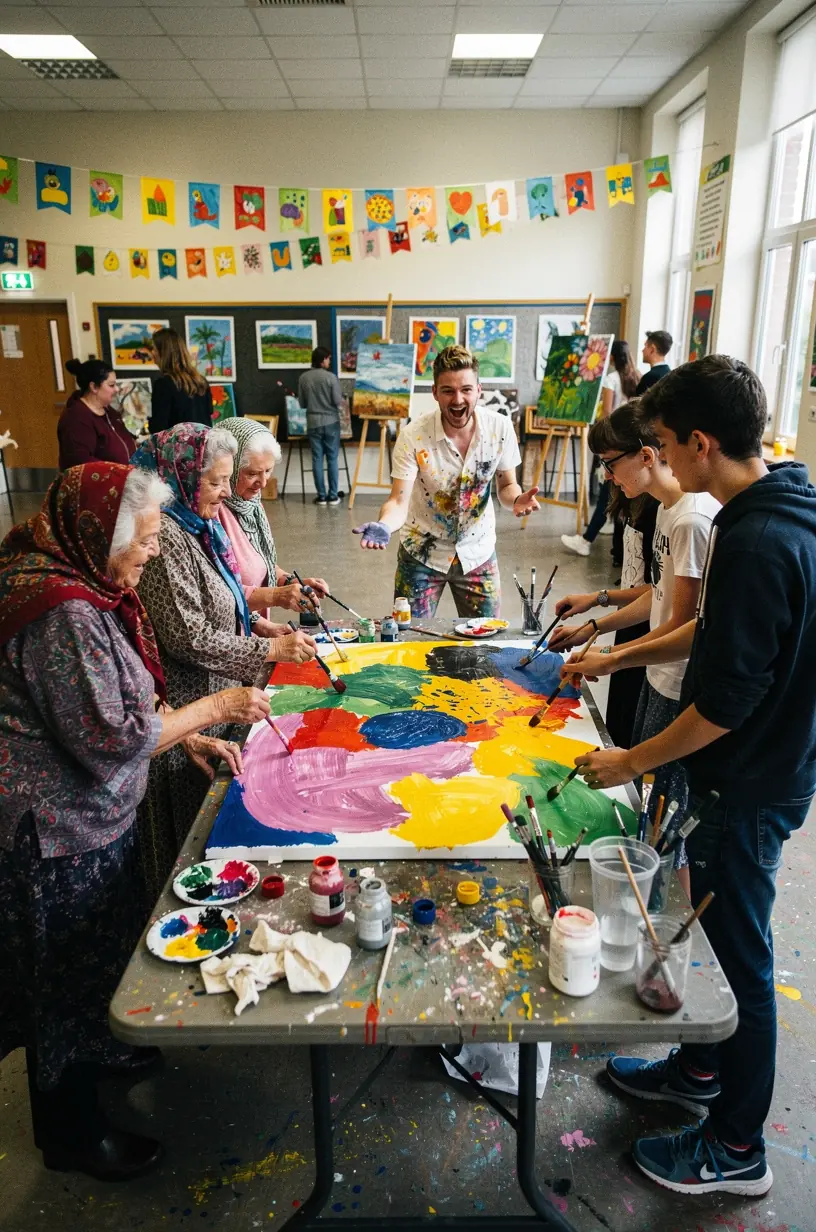
- Collaborative Projects: Participants work together on a single artwork, which promotes teamwork and communication.
- Open Sharing: Individuals are encouraged to discuss their creative processes, fostering a sense of belonging and understanding.
- Themed Sessions: Each session may focus on a specific theme, allowing participants to explore a variety of emotions and experiences collectively.
Benefits of Group Art Sessions
Research indicates that group art therapy can yield numerous benefits, including:
- Enhanced Social Connections: Participants often leave these sessions with new friendships and a stronger sense of community.
- Improved Mental Well-being: Engaging in creative expression has been shown to reduce stress and anxiety levels.
- Skill Development: Participants can learn new techniques and improve their artistic skills through collective feedback and support.
Challenges and Considerations
While group art sessions offer many advantages, they also come with challenges. These sessions typically require a commitment of time, often spanning several weeks, to fully experience their benefits. Participants should be prepared for:
- Emotional Vulnerability: Sharing personal experiences through art can be emotionally taxing and may require readiness from participants.
- Group Dynamics: The effectiveness of these sessions can depend on the group composition and individual engagement levels.
- Learning Curve: Beginners may feel overwhelmed, but supportive environments can help ease this transition.
Conclusion
Group art sessions represent an effective approach to building community connections through creative expression. While they involve a commitment of time and emotional investment, the potential for enhanced social bonds and improved well-being makes them a worthwhile endeavor. Engaging in these structured offline programs can help individuals forge meaningful relationships while exploring their artistic talents.
Discover More