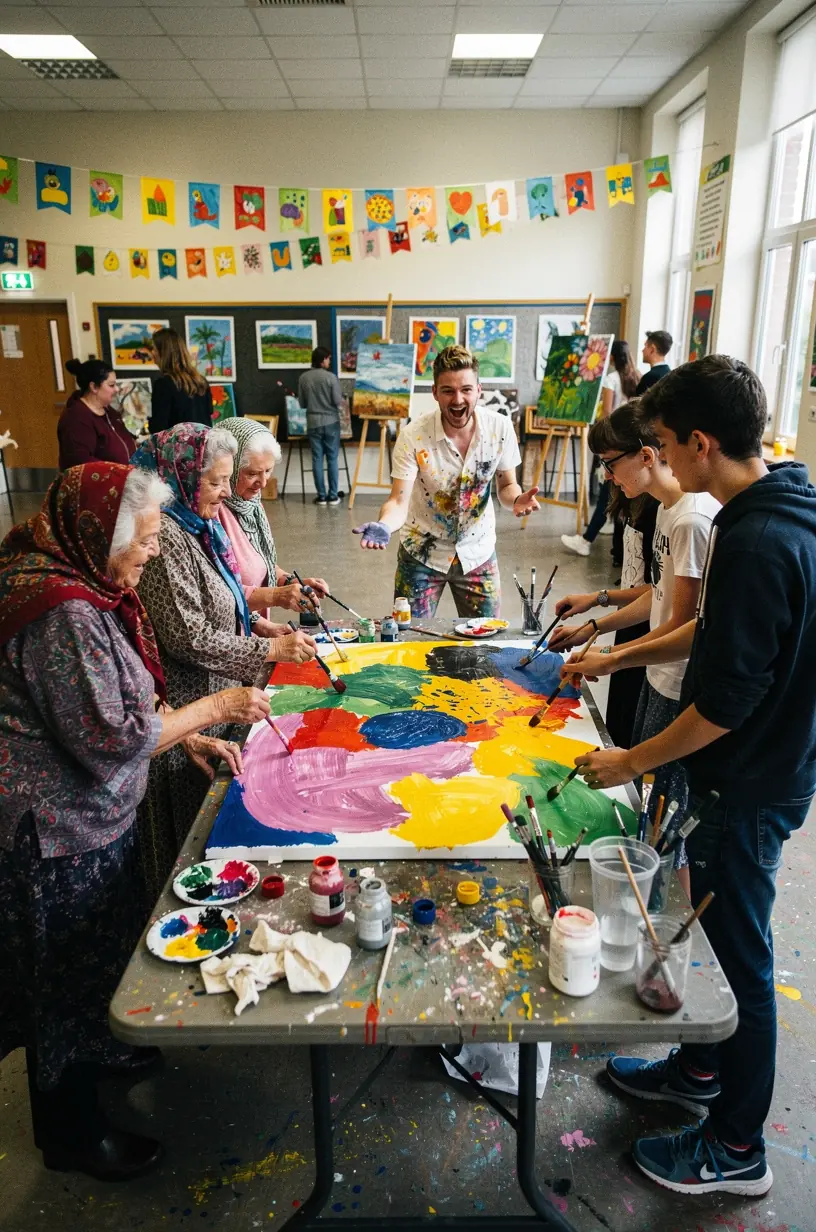
Exploring Creative Expression in Therapeutic Settings
Creative expression through art therapy can offer individuals a unique avenue to explore their emotions and experiences. This article delves into the principles behind art therapy and how structured offline programs can facilitate creative expression in therapeutic settings.
Understanding the Basics of Art Therapy
Art therapy is a form of therapy that utilizes creative processes to help individuals express themselves and explore their feelings. According to research published in the Journal of the American Art Therapy Association, engaging in artistic activities can lead to improvements in emotional well-being and psychological health. This is largely because artistic expression allows individuals to communicate in ways that words may not fully capture.
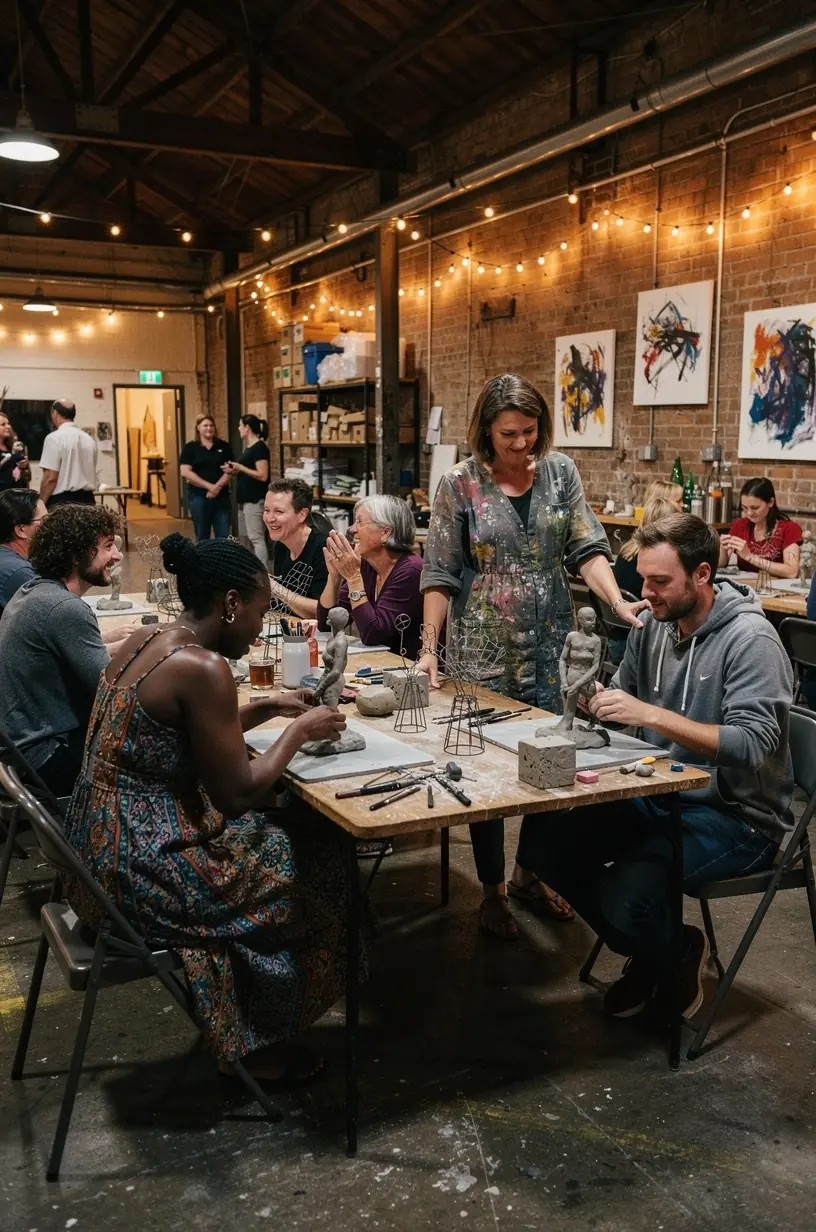
"Art therapy encourages clients to engage in the creative process, which can lead to personal insight and emotional release." - American Art Therapy Association
The Role of Structured Programs
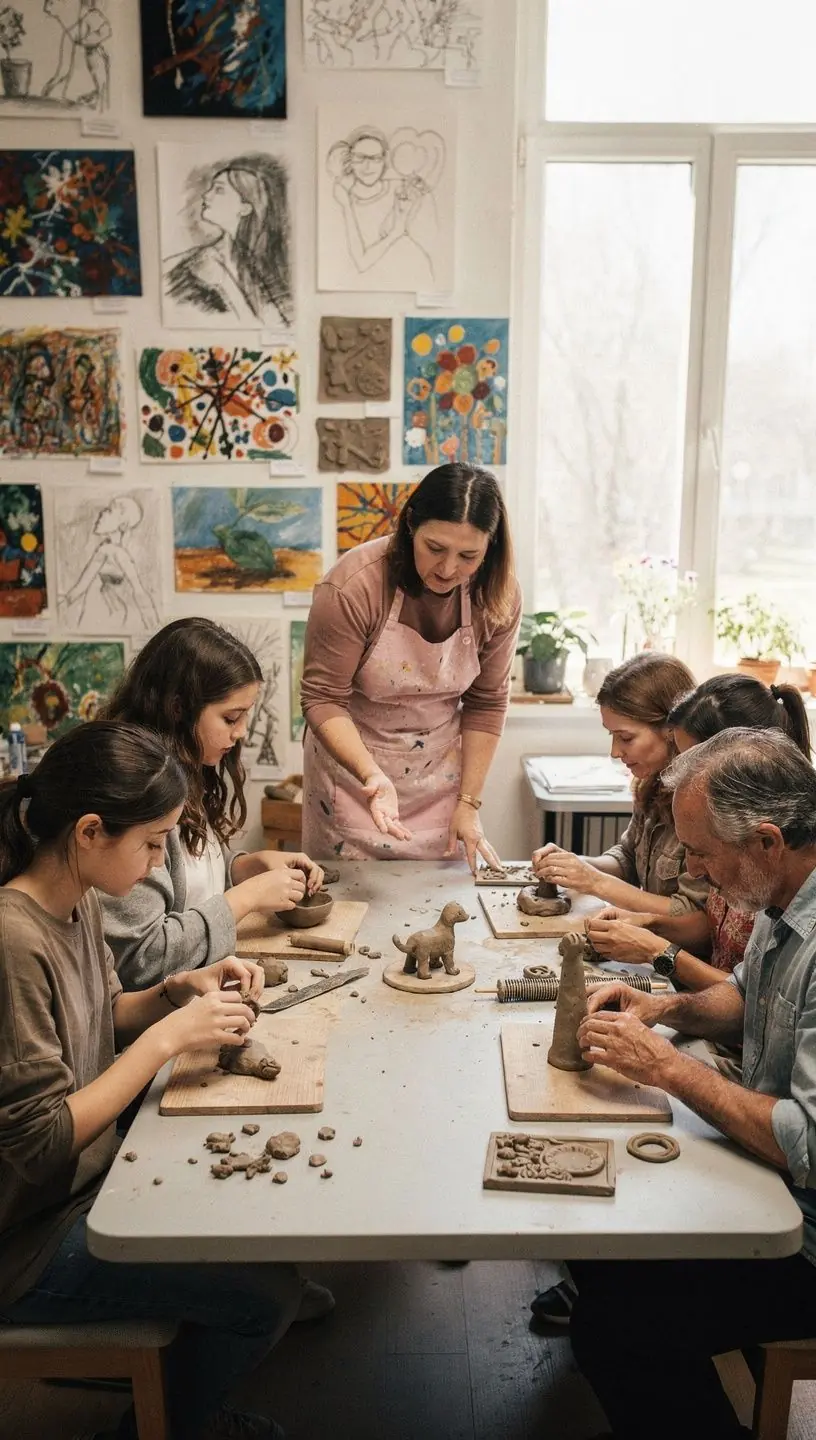
While art therapy can be beneficial in various contexts, structured offline programs provide a setting where individuals can engage with the creative process systematically. These programs typically involve:
- Guided Sessions: Facilitated by trained therapists, these sessions introduce participants to various art forms and techniques that may resonate with their personal experiences.
- Safe Environment: Participants can explore their creativity without judgment, which is crucial for fostering self-expression and emotional safety.
- Focus on Process Over Product: In most cases, the emphasis is on the creative journey rather than the end result, allowing for deeper self-exploration.
Benefits of Creative Expression in Therapy
Engaging in creative activities has shown to have multiple benefits for individuals in therapeutic settings:
- Emotional Release: Many users report that creating art serves as a cathartic experience, helping them process grief, anxiety, or trauma.
- Enhanced Self-Discovery: Art can often help individuals uncover subconscious thoughts and feelings, which can lead to greater self-awareness.
- Improved Coping Skills: Studies indicate that art-based interventions can assist individuals in developing coping strategies for dealing with stress and emotional challenges.
Recognizing Limitations
It is essential to acknowledge that while art therapy can be a valuable tool, it may not be suitable for everyone. Some individuals may find it difficult to engage in creative activities due to prior negative experiences or lack of interest. Additionally, these programs typically require a commitment of time and effort; participants may need to attend sessions regularly over several weeks to notice significant progress.
Furthermore, it is important to note that art therapy does not replace traditional therapeutic practices such as cognitive-behavioral therapy (CBT) or psychodynamic therapy. Instead, it can complement these approaches and enhance overall therapeutic outcomes.
Conclusion
Creative expression in therapeutic settings, particularly through structured offline art therapy programs, can provide profound benefits for emotional and psychological well-being. By engaging in the creative process, individuals often experience a sense of relief and self-discovery. Understanding that the journey of creativity is just as important as the final artwork can help set realistic expectations for participants. For those considering this path, remember that consistent engagement and an open mind are key to unlocking the potential benefits of art therapy.
Discover More