Understanding the Benefits of Art Therapy
Art therapy is an increasingly recognized form of therapy that leverages creative processes to improve mental health and emotional wellbeing. This article explores the benefits of art therapy, how it works, and what one can expect from structured programs.
Understanding the Basics
Art therapy typically involves the use of artistic methods to facilitate psychological healing and personal growth. According to the American Art Therapy Association, art therapy is effective because it allows individuals to express emotions that may be difficult to articulate verbally. In many cases, engaging in creative activities can lead to therapeutic outcomes by enabling individuals to explore and express their feelings in a non-verbal manner.
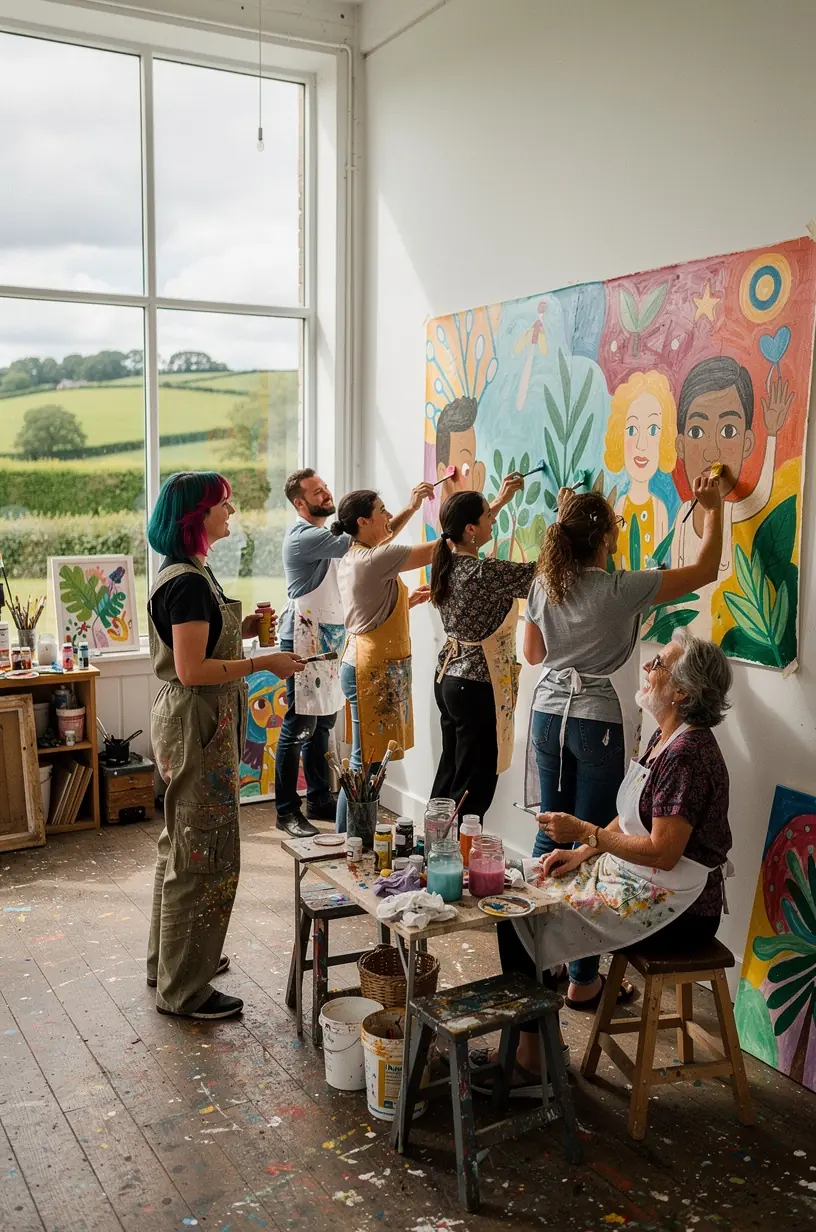
"Art therapy can provide a safe space for individuals to explore emotions and experiences that may be hard to verbalize." - American Art Therapy Association
Benefits of Art Therapy
- Emotional Expression: Many users report that art therapy helps them express emotions they find challenging to articulate. This process can lead to greater self-awareness and emotional release, which is often beneficial in therapeutic settings.
- Stress Reduction: Research indicates that engaging in creative activities can reduce stress levels. A study published in the Journal of the American Art Therapy Association found that participants who engaged in art-making reported significantly lower stress levels compared to those who did not.
- Enhanced Cognitive Function: Art therapy can stimulate cognitive processes. Experts suggest that the act of creating art can help improve problem-solving skills and cognitive flexibility.
The Process of Art Therapy
Art therapy typically involves a structured program, which may last from several weeks to months, depending on individual needs and goals. A typical session may include:
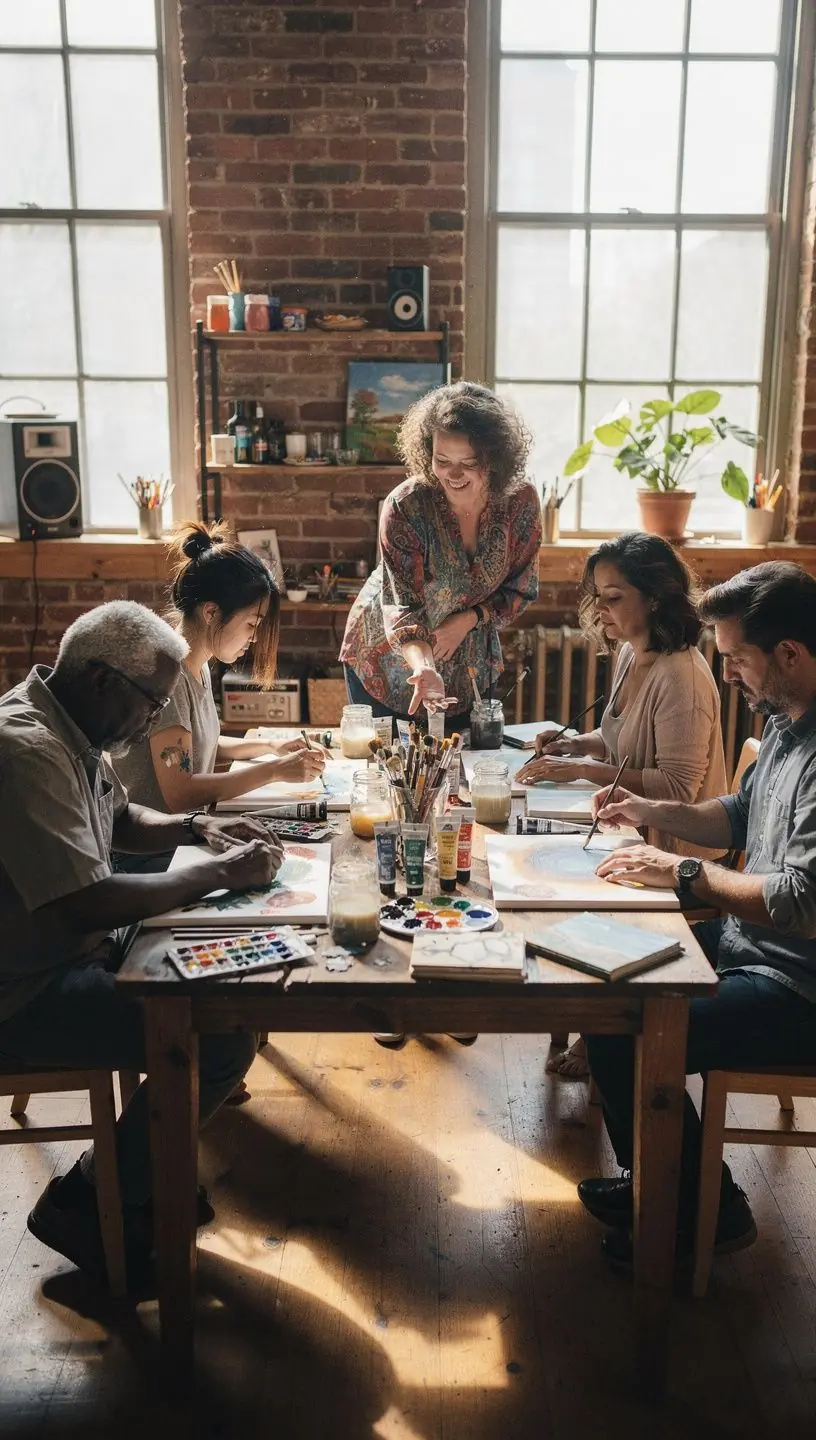
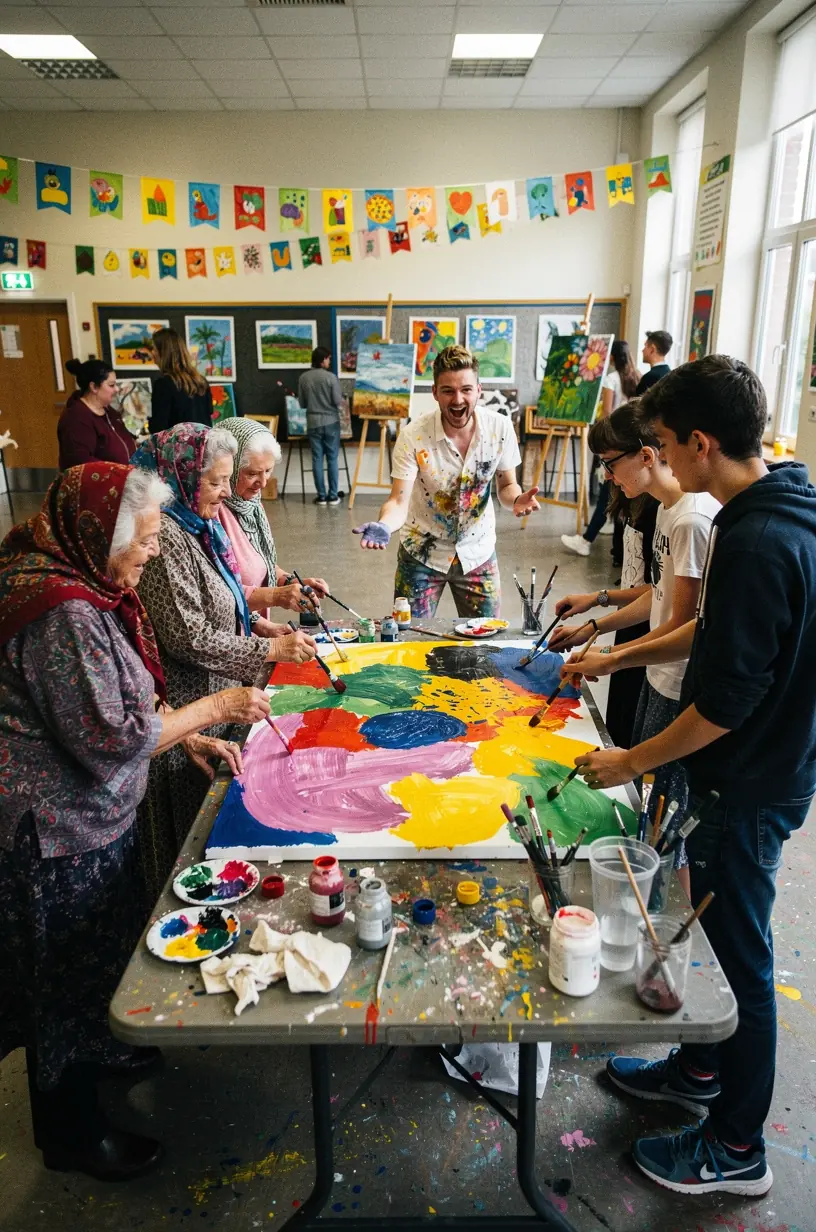
- Art Creation: Participants are guided to create artwork using various mediums, such as painting, drawing, or sculpting. This allows them to express their feelings and thoughts creatively.
- Discussion: After the art creation process, a therapist facilitates a conversation around the artwork. This discussion typically helps in uncovering emotions and insights related to the created pieces.
- Reflection and Integration: Participants are encouraged to reflect on their experiences during the session. This stage is crucial for integrating the insights gained into their daily lives.
Limitations of Art Therapy
While art therapy can be a valuable tool for many, it is important to acknowledge its limitations. It typically requires a commitment to regular sessions, often two to three times a week, for several weeks to see meaningful results. Additionally, art therapy may not be suitable for individuals who are not interested in creative expression or those who prefer more traditional methods of communication.
Conclusion
Art therapy offers a unique approach to mental health and emotional wellbeing by leveraging creative processes to foster expression and healing. As studies show, many individuals report significant benefits from participating in structured art therapy programs. However, it is essential to understand that art therapy requires commitment and may not be the right fit for everyone. By focusing on education and realistic expectations, we can appreciate the potential of art therapy to enhance our emotional landscape.
Discover More