Integrating Mindfulness into Art Therapy Practices
Art therapy has gained recognition for its potential to enhance emotional well-being and foster creativity. Integrating mindfulness into art therapy practices can further amplify these benefits, allowing individuals to engage more deeply with their creative processes. This article explores the principles of mindfulness in art therapy, how they can be effectively integrated, and the potential outcomes.
Understanding Mindfulness in Art Therapy
Mindfulness, defined as the practice of being fully present and engaged in the moment, has been widely researched in therapeutic contexts. According to a study published in the Journal of Clinical Psychology, mindfulness practices can significantly reduce anxiety and depression levels, making them a valuable component in therapeutic settings, including art therapy.
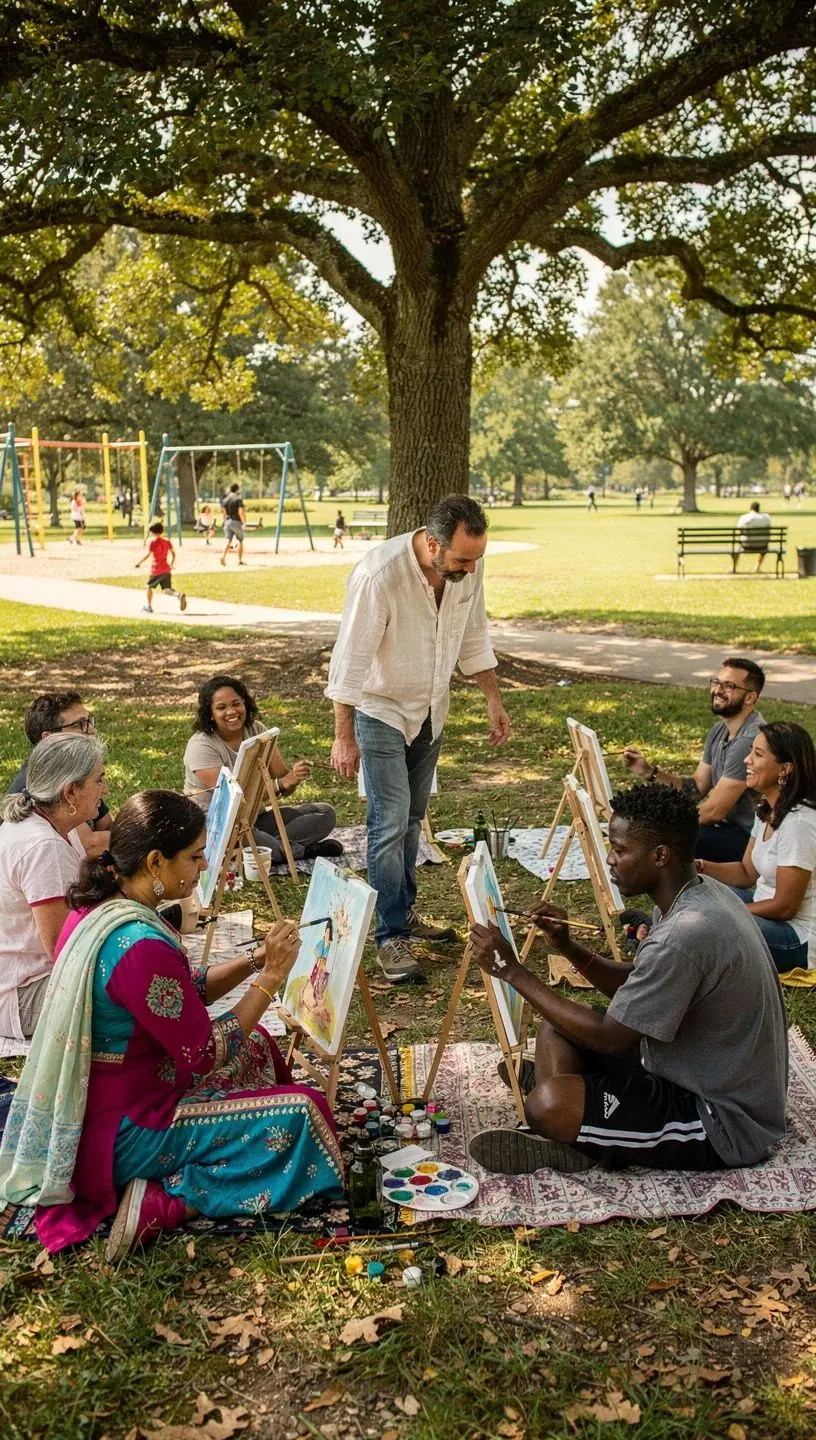
"Mindfulness in art therapy helps individuals connect with their feelings and thoughts, facilitating a deeper understanding of their emotions."
Art therapy typically involves the use of creative processes to explore emotions, reduce stress, and develop coping strategies. When mindfulness is integrated into these practices, it encourages participants to focus on their current experience—be it the texture of paint or the movement of their brush—without judgment. This approach works because it allows individuals to express themselves freely while gaining insight into their emotional states.
How to Integrate Mindfulness into Art Therapy
Integrating mindfulness into art therapy practices involves several key steps:
- Setting Intentions: At the beginning of each session, encourage participants to set a clear intention for their creative process. This could be as simple as "I will focus on my breath while I paint," which helps establish a mindfulness foundation.
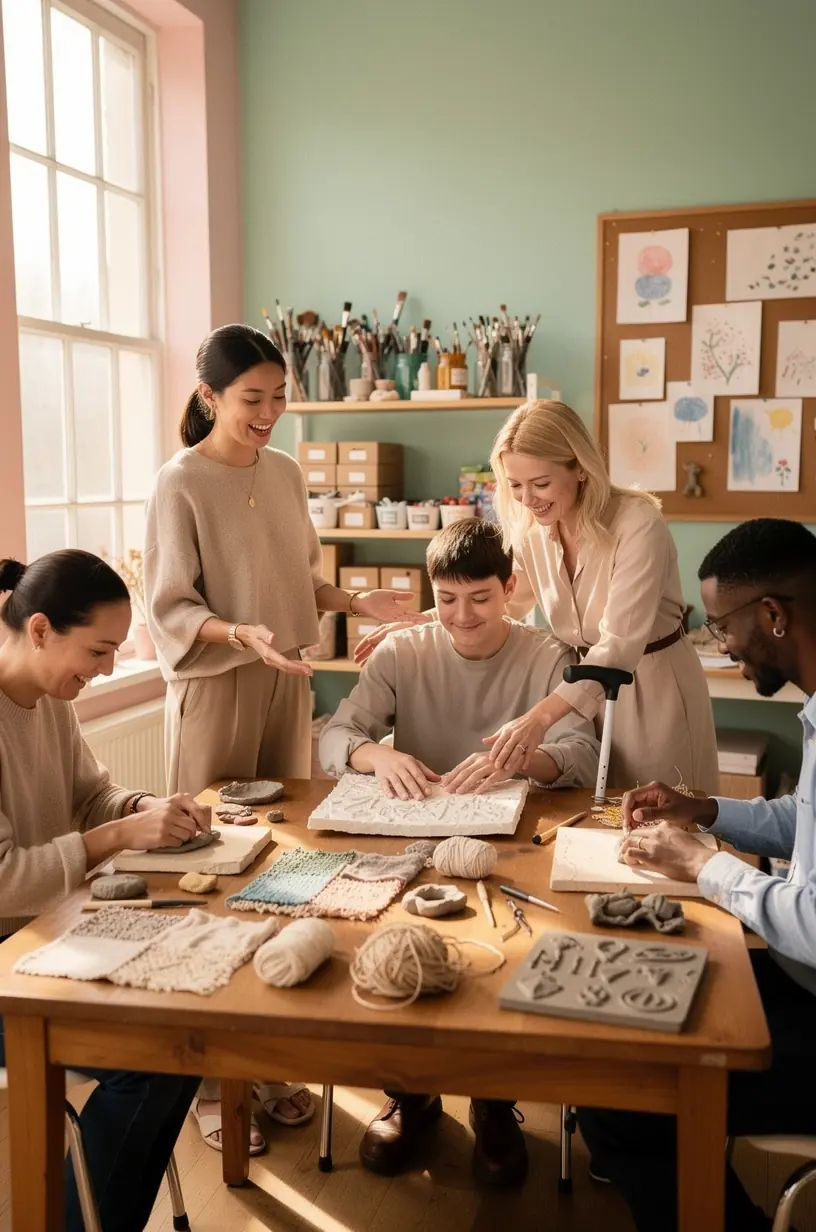
- Mindful Observation: Introduce exercises that involve observing materials mindfully. For instance, spending a few minutes simply observing the colors, shapes, and textures of the art supplies before using them can foster a deeper connection to the creative process.
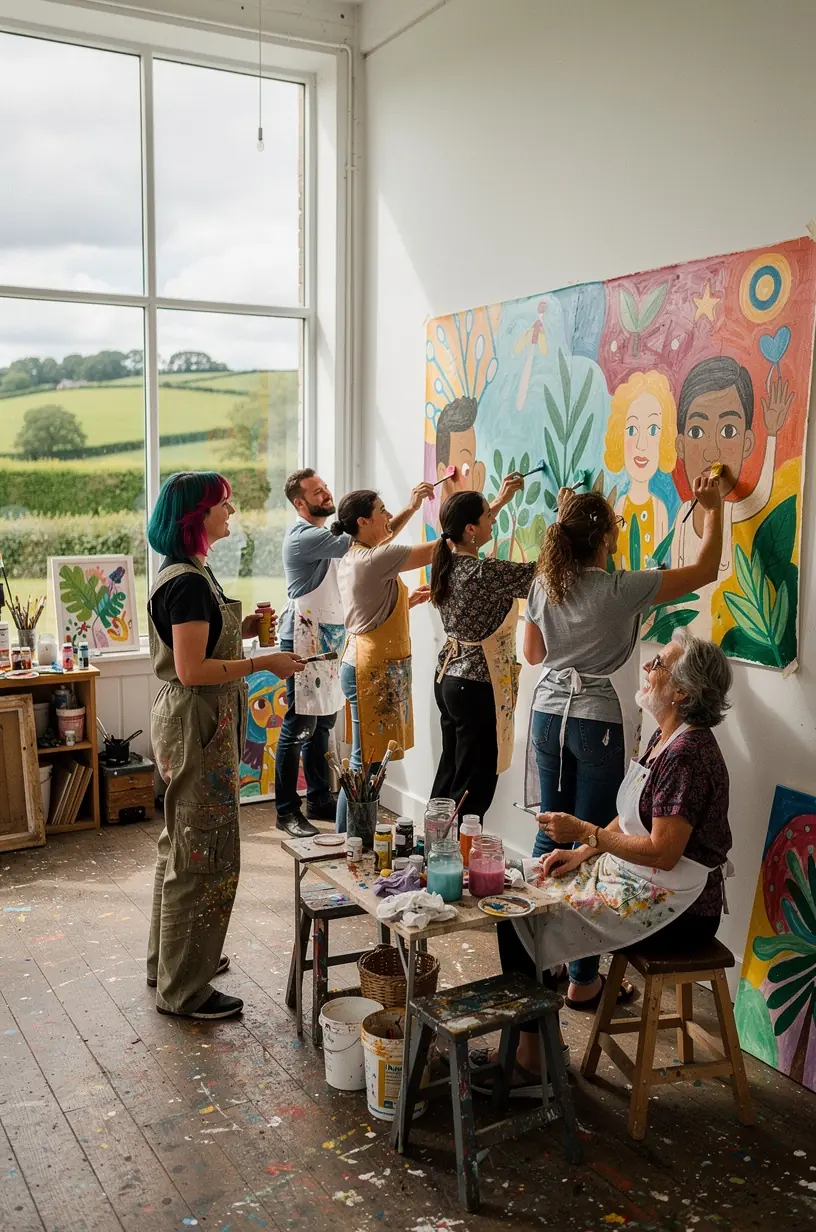
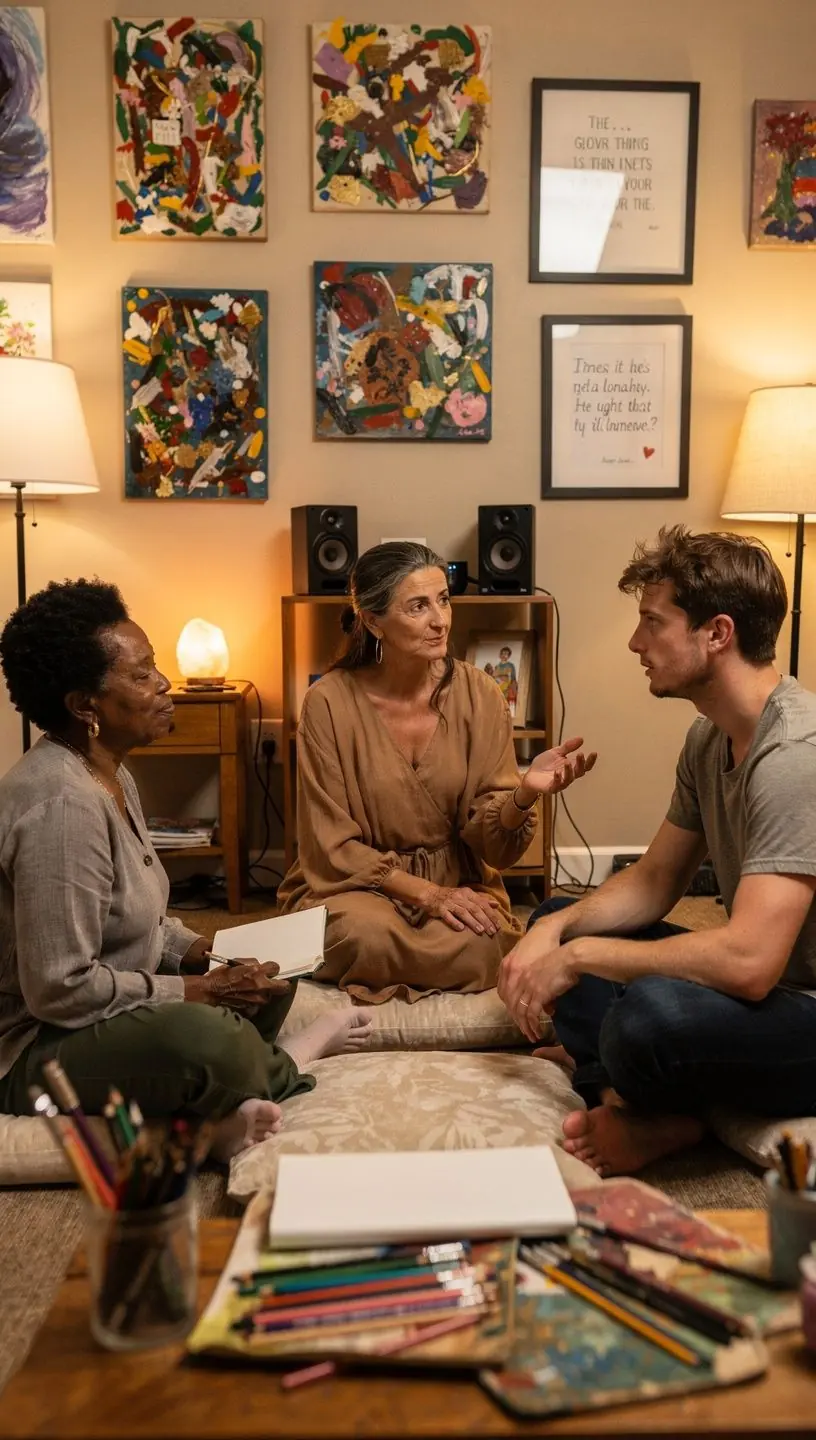
- Reflection and Sharing: After the creative process, encourage participants to reflect on their experience. Asking them to share their thoughts or feelings can help solidify their mindful awareness and build a supportive community.
Experts suggest that these methods can be particularly effective in enhancing the therapeutic benefits of art therapy. However, it’s important to note that integrating mindfulness into art therapy may require additional training for practitioners, as it involves both therapeutic and artistic skills.
Challenges and Considerations
While integrating mindfulness into art therapy can be beneficial, there are challenges and limitations to consider. For instance:
- Mindfulness practices often require a commitment to consistency; many participants may need time—typically several sessions—to become comfortable with the techniques.
- Some individuals may find it difficult to engage fully in mindfulness practices, especially if they have not had previous exposure to such techniques.
- Art therapy with mindfulness integration may not be the ideal approach for those seeking immediate emotional relief, as results typically evolve over time.
It is important for practitioners to tailor their approaches based on the needs and preferences of their clients, as the effectiveness of these practices can vary widely among individuals.
Conclusion
Integrating mindfulness into art therapy practices offers an effective avenue for enhancing emotional awareness and creative expression. By establishing a mindful foundation, participants can engage more deeply in their artistic processes, potentially leading to improved emotional well-being. While this integration requires commitment and patience, the benefits—such as increased self-awareness and reduced anxiety—may be worth the effort. For those interested in exploring this approach further, seeking out professional training or workshops can provide valuable insights and skills.
Discover More