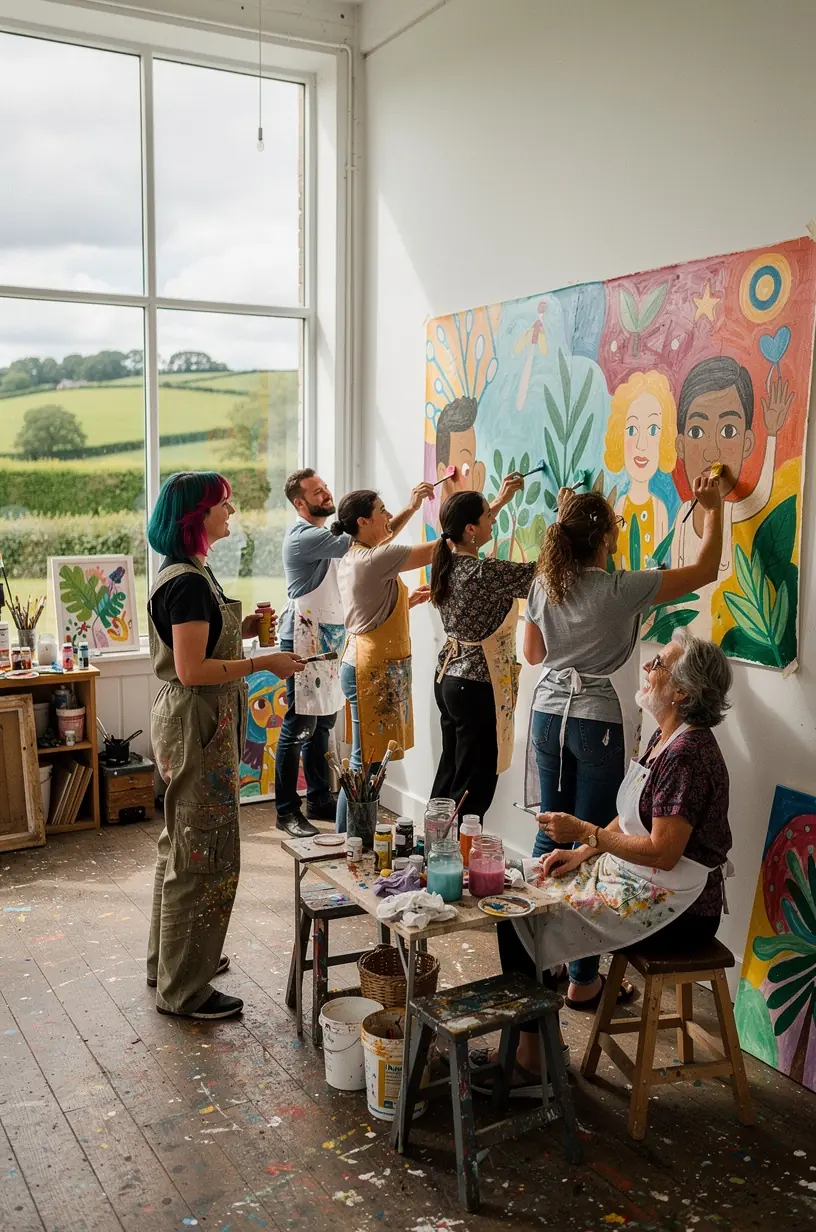
Exploring Various Art Mediums in Therapy Settings
Art therapy is a powerful tool that leverages creativity to promote mental health and emotional well-being. In this article, we will explore various art mediums used in therapy settings, discussing their benefits and practical applications.
Understanding the Role of Art Mediums in Therapy
Art mediums, which include painting, drawing, sculpture, and mixed media, serve as vehicles for self-expression and exploration. According to research, engaging with different materials can help individuals articulate emotions that may be difficult to express verbally. Experts recommend incorporating a variety of mediums to enhance therapeutic outcomes and cater to individual preferences.

"Art can serve as a mirror reflecting our thoughts and feelings, allowing for deeper understanding and exploration." - Art Therapist Association
Benefits of Different Art Mediums
Each medium offers unique advantages that can support therapeutic goals. Some of the most commonly used mediums include:
- Painting: Often utilized for its ability to facilitate emotional release, painting can engage individuals in a reflective process. Studies show that participants may experience a reduction in anxiety levels after painting sessions.
- Drawing: This medium allows for immediate expression and often requires less setup than other forms. It can be particularly effective in helping individuals address trauma, as it encourages spontaneous expression.
- Sculpture: Working with three-dimensional materials can provide a tactile experience that enhances the therapeutic process. This medium is frequently recommended for clients who benefit from a hands-on approach.
- Mixed Media: Combining various materials can lead to innovative ways to express feelings. Many users report that mixed media projects enable them to explore complex emotions more freely.
Practical Application of Art Mediums in Therapy
Implementing art therapies typically requires careful planning. Here are some strategies for integrating various mediums into therapy sessions:
- Assessment of Individual Needs: Each client is unique, and assessing their preferences and comfort levels with different mediums can enhance engagement.
- Structured Guidance: Providing clear instructions and support can help clients navigate their artistic processes. This often involves explaining techniques and encouraging exploration without judgment.
- Reflection on the Creative Process: After sessions, discussing the artwork can deepen clients’ insights and understanding of their emotional landscapes.
Conclusion
Exploring various art mediums in therapy settings can be an effective approach to promoting healing and self-discovery. By understanding the unique benefits of each medium and implementing structured, supportive practices, therapists can create enriching environments that foster personal growth. While results may vary, many individuals have found that engaging with art in this way can significantly enhance their therapeutic experience.