Adapting Art Therapy for Diverse Populations
Art therapy has gained recognition for its ability to promote healing and self-expression among various groups. However, adapting these programs to cater to the specific needs of diverse populations is crucial for maximizing their effectiveness.
Understanding the Basics of Art Therapy
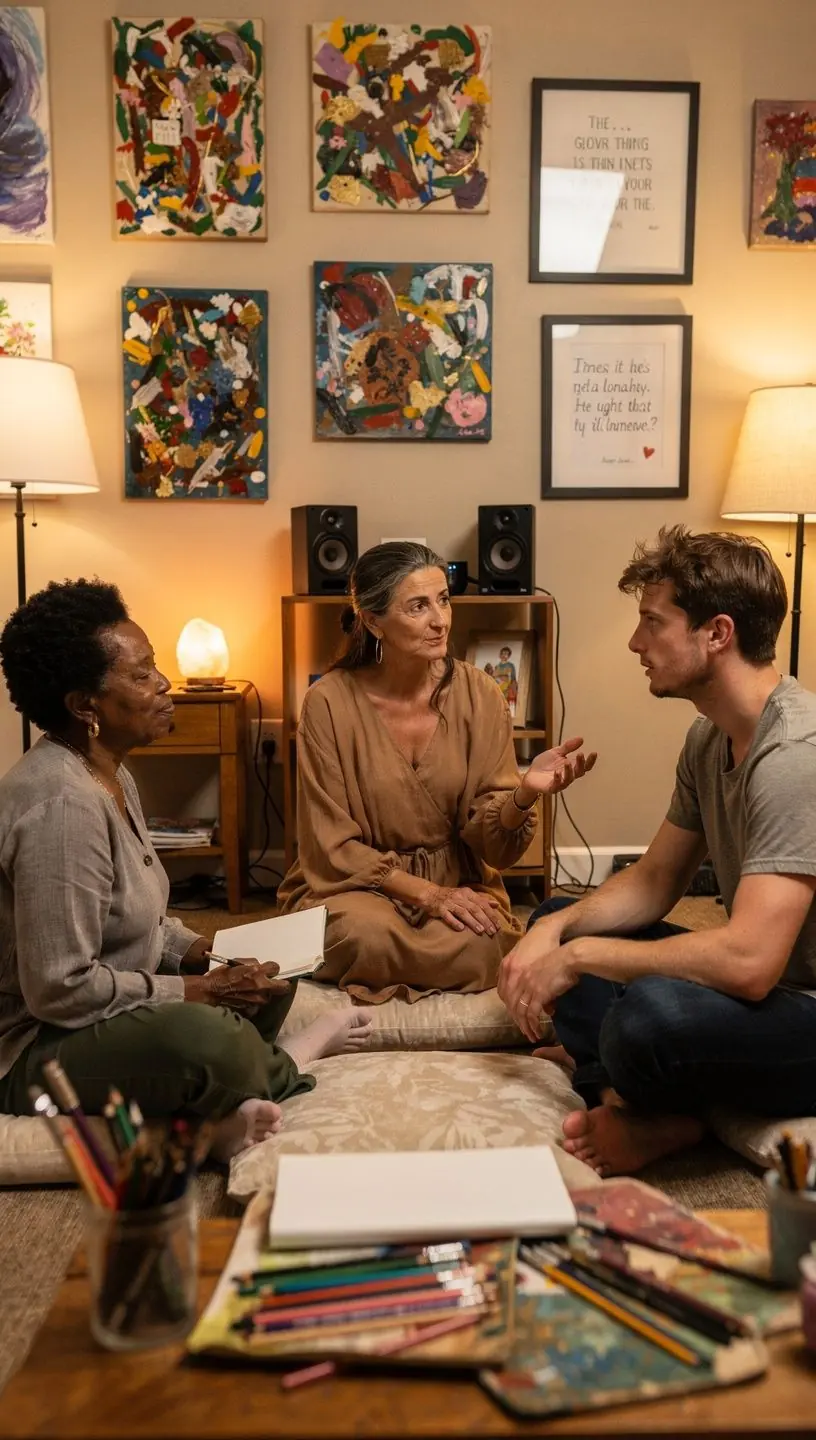
Art therapy integrates the creative process of making art with the therapeutic relationship between the client and the therapist. According to the American Art Therapy Association, this approach can assist individuals in expressing emotions, processing experiences, and improving mental health.
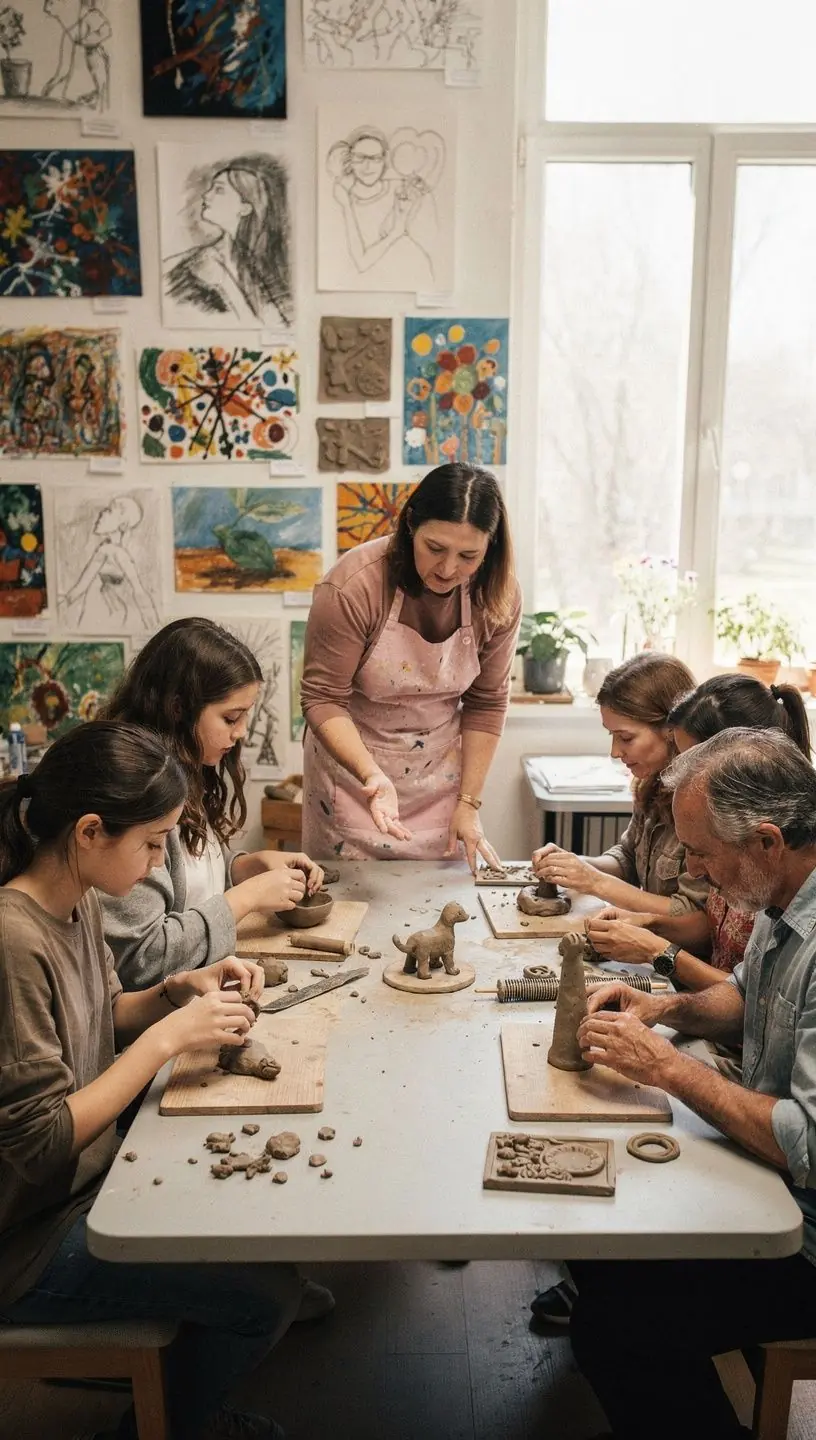
Research indicates that art therapy can be particularly beneficial for individuals facing challenges such as trauma, disability, or mental health issues. Experts recommend cultural competence as a key factor when designing art therapy programs to ensure they resonate with diverse groups.
"Culturally relevant interventions are shown to enhance engagement and outcomes in therapeutic settings." - Dr. Sarah Thompson, Art Therapy Researcher
Tailoring Art Therapy for Different Groups
Adapting art therapy for various populations entails understanding their unique backgrounds, challenges, and preferences. Here are some methodologies that can help:
- Cultural Sensitivity: Programs should recognize and respect the cultural backgrounds of participants. This may involve incorporating culturally relevant symbols and themes into the art-making process.
- Accessibility: Ensuring that materials are adaptable for individuals with disabilities is essential. Providing various mediums and tools can help make art therapy inclusive.
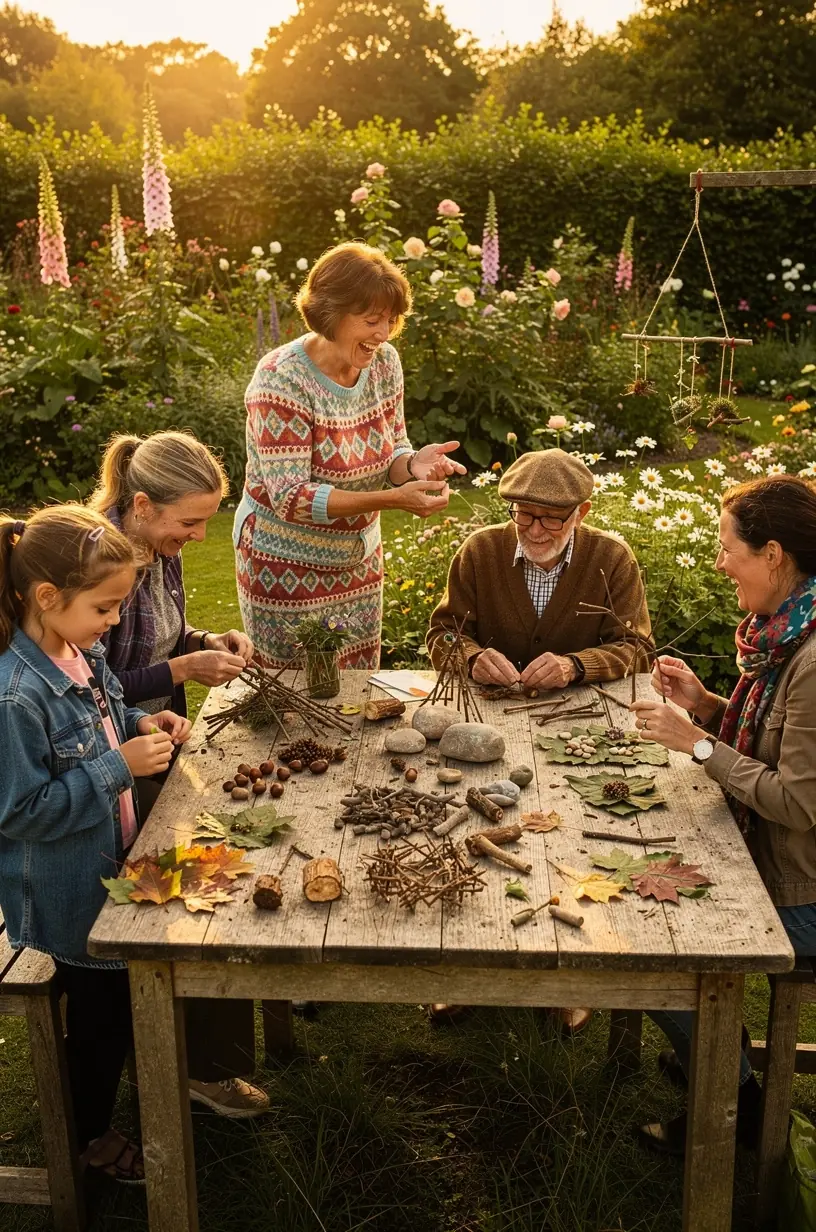
- Age Appropriateness: Different age groups may respond to art therapies in varying ways. For instance, younger children may prefer play-based engagement, while seniors might benefit from reminiscence therapy through art.
Realistic Expectations and Commitment
It is important to set realistic expectations for participants and facilitators alike. Art therapy programs typically require a commitment of time and effort, often lasting several weeks to months for significant impact to be seen. Engagement may also require participants to practice art-making techniques outside of scheduled sessions.
In many cases, results from art therapy appear within 3-6 months, depending on individual circumstances and the frequency of sessions. Consistent attendance and active participation often correlate with better outcomes.
Conclusion
Adapting art therapy for diverse populations involves a thoughtful approach that considers cultural, physical, and psychological needs. By fostering an inclusive environment and setting realistic expectations, facilitators can enhance the therapeutic benefits of art-making for everyone involved. As the field of art therapy continues to evolve, staying informed about best practices and research will be essential in providing effective support for various communities.
Discover More