The Role of Creativity in Mental Health Recovery
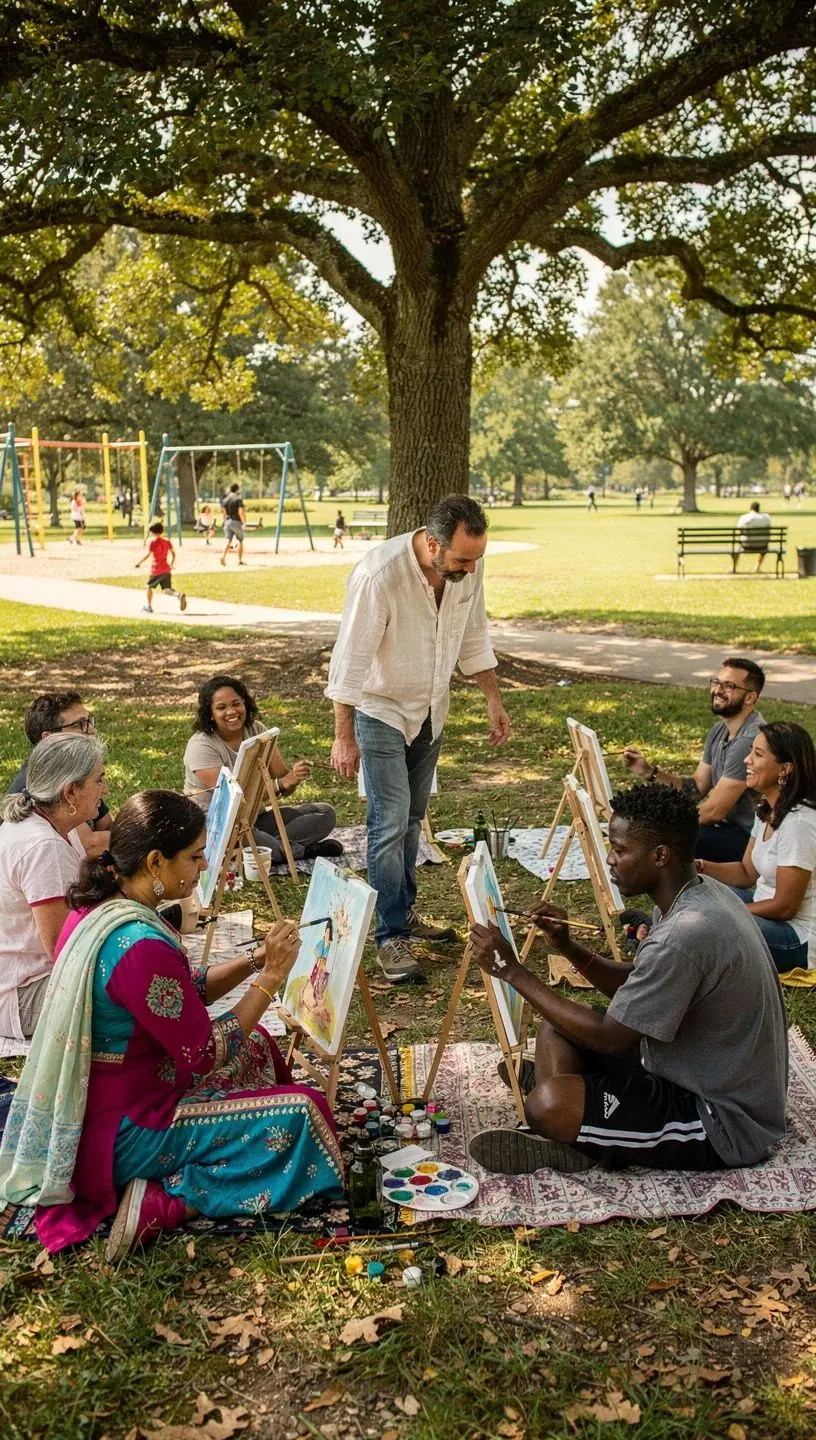
Creativity has long been recognized as a vital component in promoting mental well-being. This article explores how engaging in creative activities can support recovery from mental health issues and enhance emotional resilience.
Understanding the Connection Between Creativity and Mental Health
Research shows that engaging in creative activities, such as art, music, or writing, can significantly benefit those dealing with mental health challenges. According to a study published in the Journal of Positive Psychology, individuals who participated in creative practices reported higher levels of happiness and lower levels of anxiety and depression.
"Creative expression can serve as a therapeutic outlet for emotions, allowing individuals to process their experiences more effectively." - Mental Health Expert
How Creativity Aids Recovery
Creativity can help improve mental health in various ways:
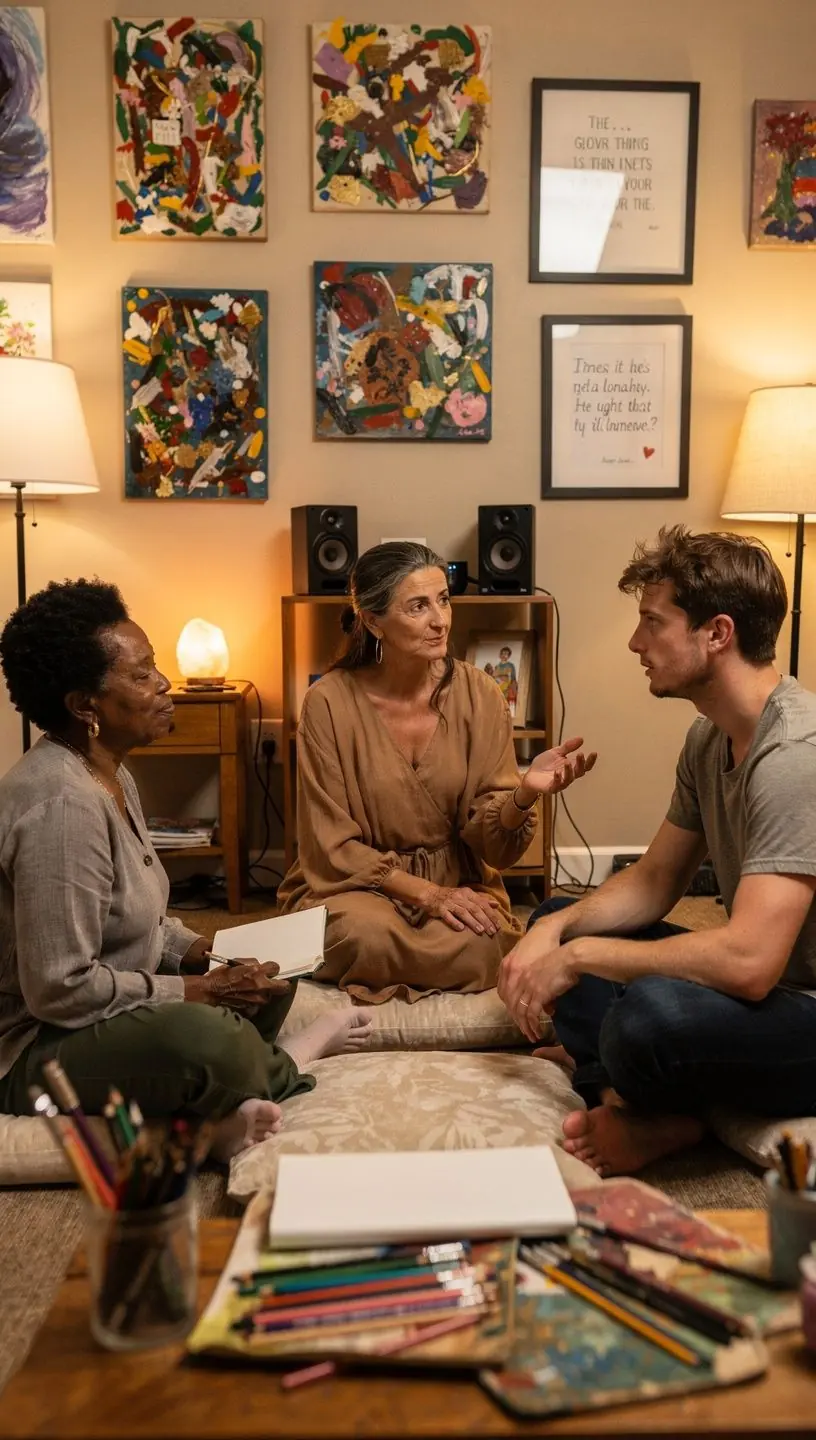
- Emotional Expression: Art therapy often allows individuals to express feelings that are difficult to articulate verbally. This practice is particularly valuable in therapeutic settings.
- Stress Reduction: Engaging in creative activities has been shown to lower stress levels. According to experts, even short bursts of artistic expression can lead to a calmer state of mind.
- Building Confidence: Completing a creative project can bolster self-esteem. Individuals often feel a sense of accomplishment, which may contribute positively to their recovery journey.
Implementing Creativity in Recovery Programs
For those considering structured offline programs, integrating creative activities can be beneficial. Typically, these programs involve:
- Scheduled Sessions: Programs usually run for several weeks and include regular workshops focusing on different art forms.
- Guidance from Professionals: Many creativity centers employ trained therapists who facilitate sessions, providing a supportive environment for participants.
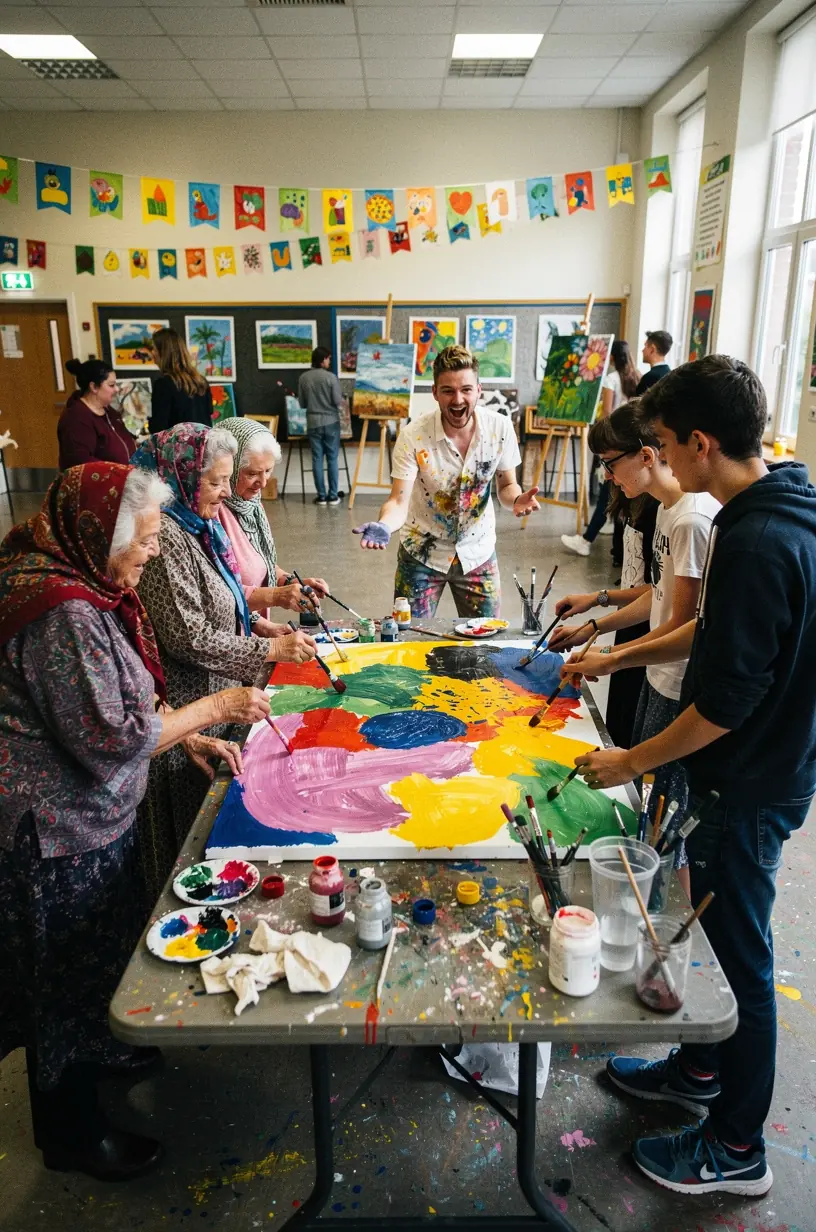
- Community Support: Engaging with others who share similar experiences fosters a sense of belonging and can enhance the recovery process.
Challenges and Considerations
While creative activities can be beneficial, it’s essential to acknowledge their limitations. Creative expression typically requires dedication and a willingness to explore personal emotions, which can be challenging for some. Additionally, results may not be immediate, and participants should allow time for the benefits of creativity to unfold, often over the course of several weeks or months.
Conclusion
Engaging in creative activities can be a powerful tool in mental health recovery. By embracing artistic expression, individuals often find new ways to cope with their feelings, reduce stress, and build confidence. As many users report, this journey can be both rewarding and transformative, but it is essential to approach it with realistic expectations and an understanding of the time and effort involved.