Practical Techniques for Facilitating Art Workshops
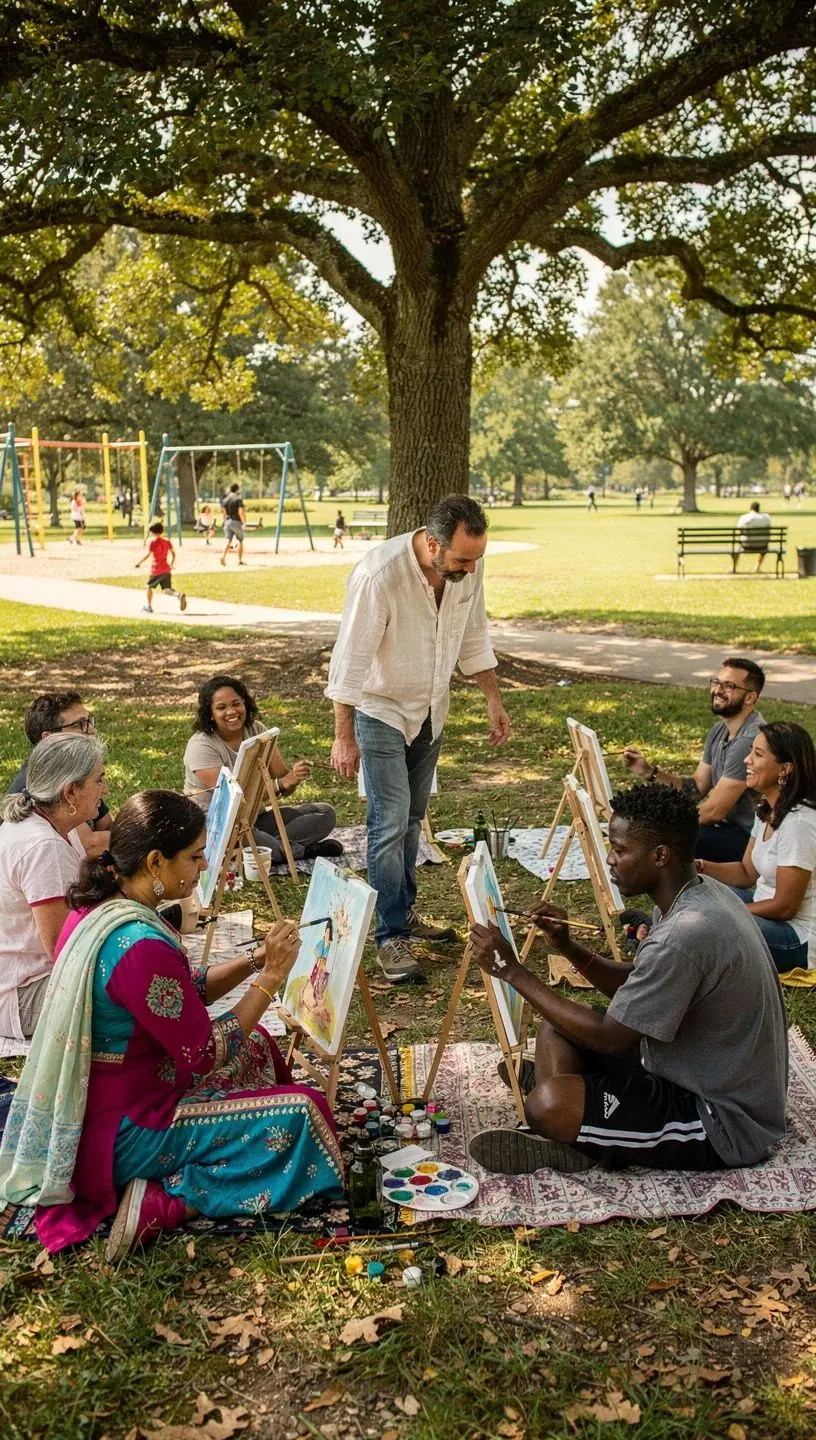
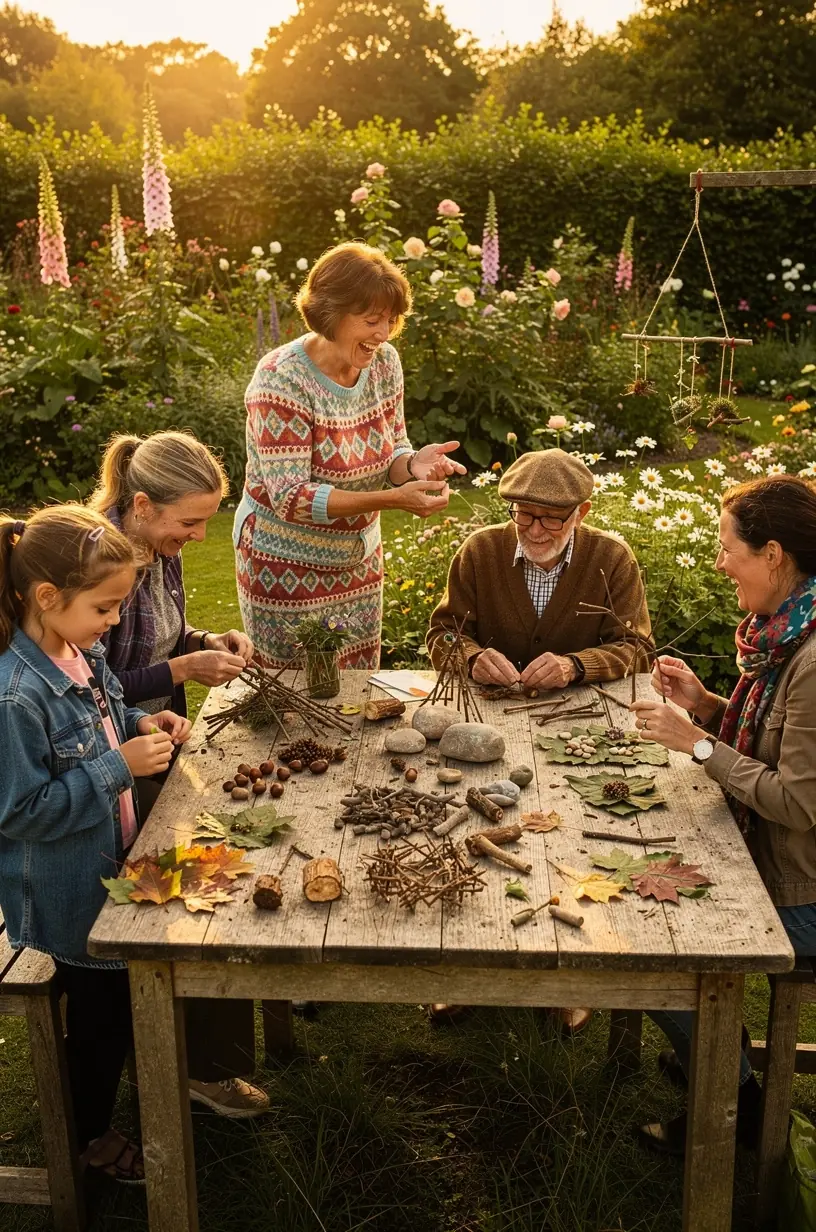
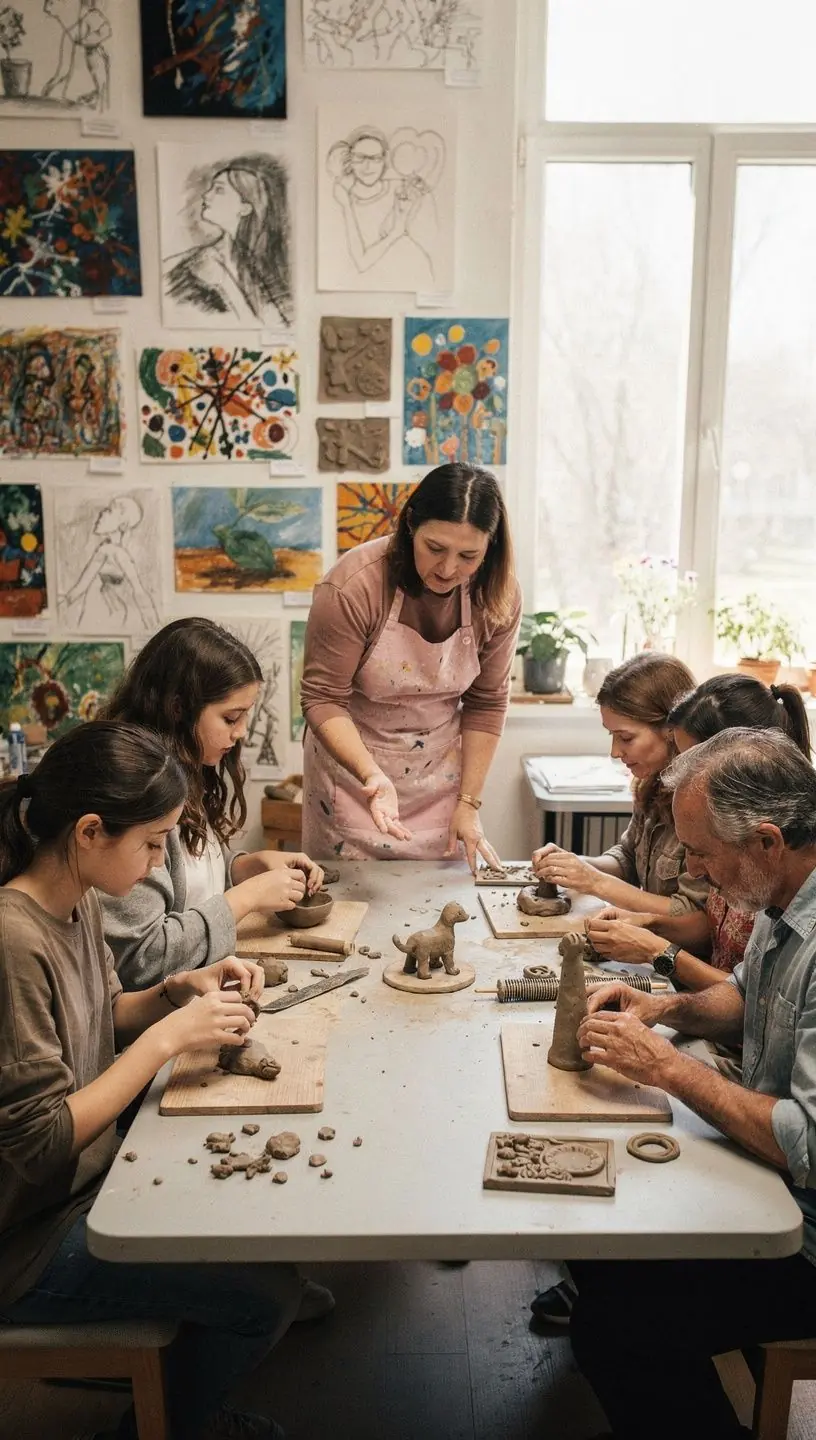
In the realm of art therapy and creativity, structured offline programs can greatly enhance participant engagement and personal growth. This article delves into practical techniques for facilitating art workshops, providing educators and facilitators with actionable insights backed by research and industry best practices.
Understanding the Fundamentals of Art Facilitation
Effective art workshops are built on a foundation of understanding the needs and motivations of participants. According to experts in the field, creating a supportive environment is crucial for fostering creativity. This involves not only providing the right materials but also ensuring that participants feel safe and valued. Research indicates that when individuals feel secure in their environment, they are more likely to express themselves freely, which can enhance their overall experience.
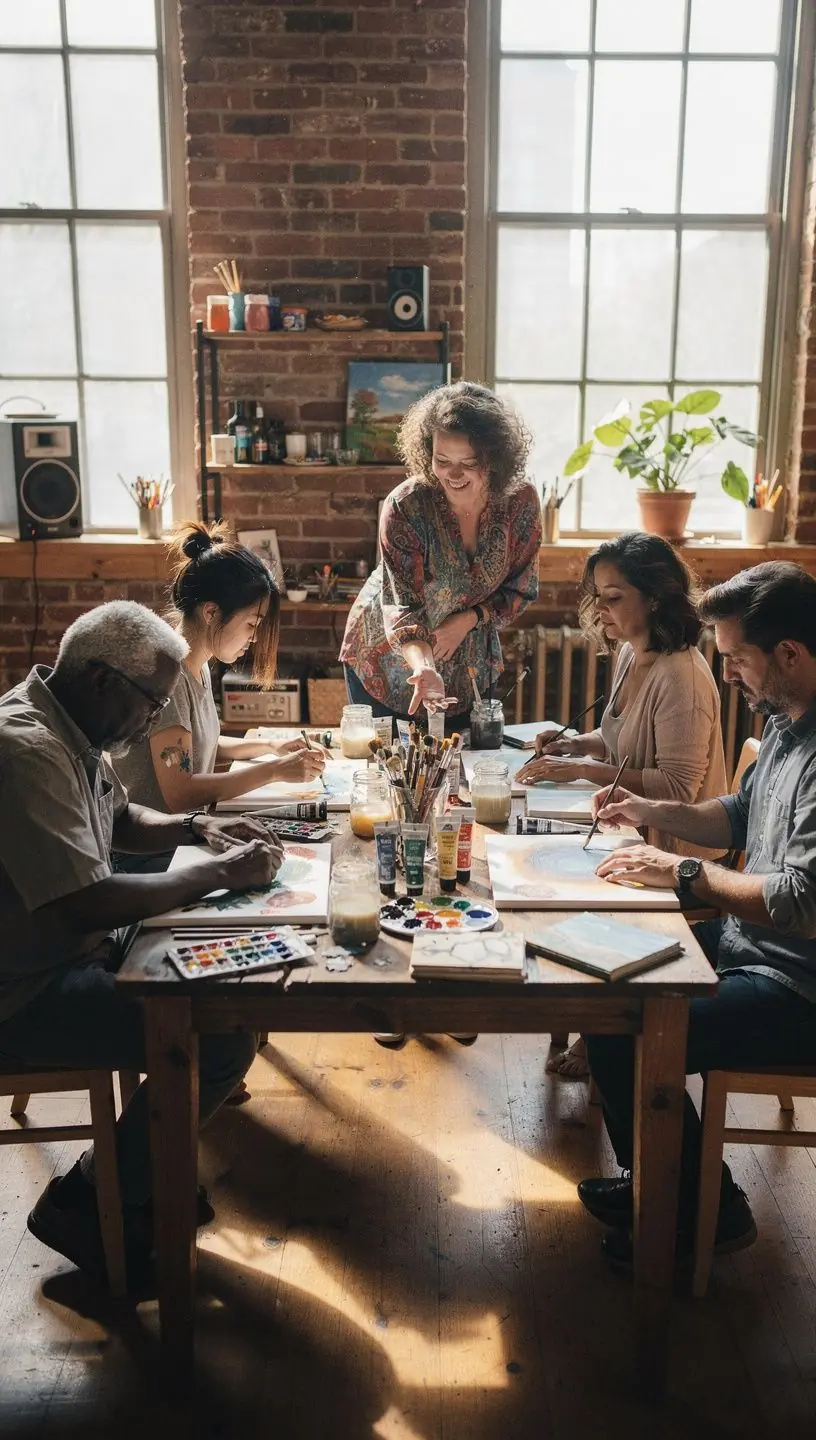
"A supportive atmosphere in workshops allows participants to explore their creativity without fear of judgment." - Art Therapy Association
Key Techniques for Engagement
Facilitating an art workshop typically involves various techniques aimed at engaging participants. Here are some proven methods:
- Set Clear Objectives: Define the goals of the workshop and communicate them clearly to participants. This helps manage expectations and provides a sense of direction. Experts recommend outlining both artistic and personal development goals.
- Provide Diverse Materials: Offering a range of materials can cater to different preferences and encourage exploration. Research shows that allowing participants to choose their tools can enhance their engagement and creative expression.
- Incorporate Reflection Time: Allowing time for participants to reflect on their work fosters deeper connections to their art. Studies indicate that reflection can lead to greater insight and personal growth, as individuals process their experiences more thoroughly.
Addressing Challenges in Art Facilitation
While art workshops can be rewarding, facilitators often face challenges that may hinder the experience. Acknowledging these limitations is essential:
- Time Commitment: Workshops typically require a minimum of two hours to allow participants to engage meaningfully with their art.
- Skill Levels: Participants often come with varying levels of artistic skill. Facilitators should be prepared to adapt their approach to accommodate both beginners and more experienced artists.
- Emotional Readiness: Some participants may not be ready to share their work publicly. Establishing guidelines for sharing can create a comfortable space while respecting individual comfort levels.
Conclusion
Facilitating art workshops can be a fulfilling endeavor, fostering creativity and personal growth among participants. By implementing these practical techniques, facilitators can create an environment that encourages expression and exploration. Remember, the process typically involves a learning curve, and results may not be immediate. However, with dedication and the right approach, both facilitators and participants can achieve rewarding outcomes in their artistic journeys.
Discover More